


How Mulching Lawnmowers Create a More Sustainable Lawn

Most lawns use more water, fertiliser, and effort than they need, often because clippings are removed and the soil is left to fend for itself. This creates a cycle of over-watering, constant feeding, and regular green-waste disposal. Mulching mowers offer a more sustainable alternative by recycling nutrients, retaining moisture, and reducing waste in one step. For guidance on choosing the right approach, we are here to help.
What Is Mulching and How Does It Work?
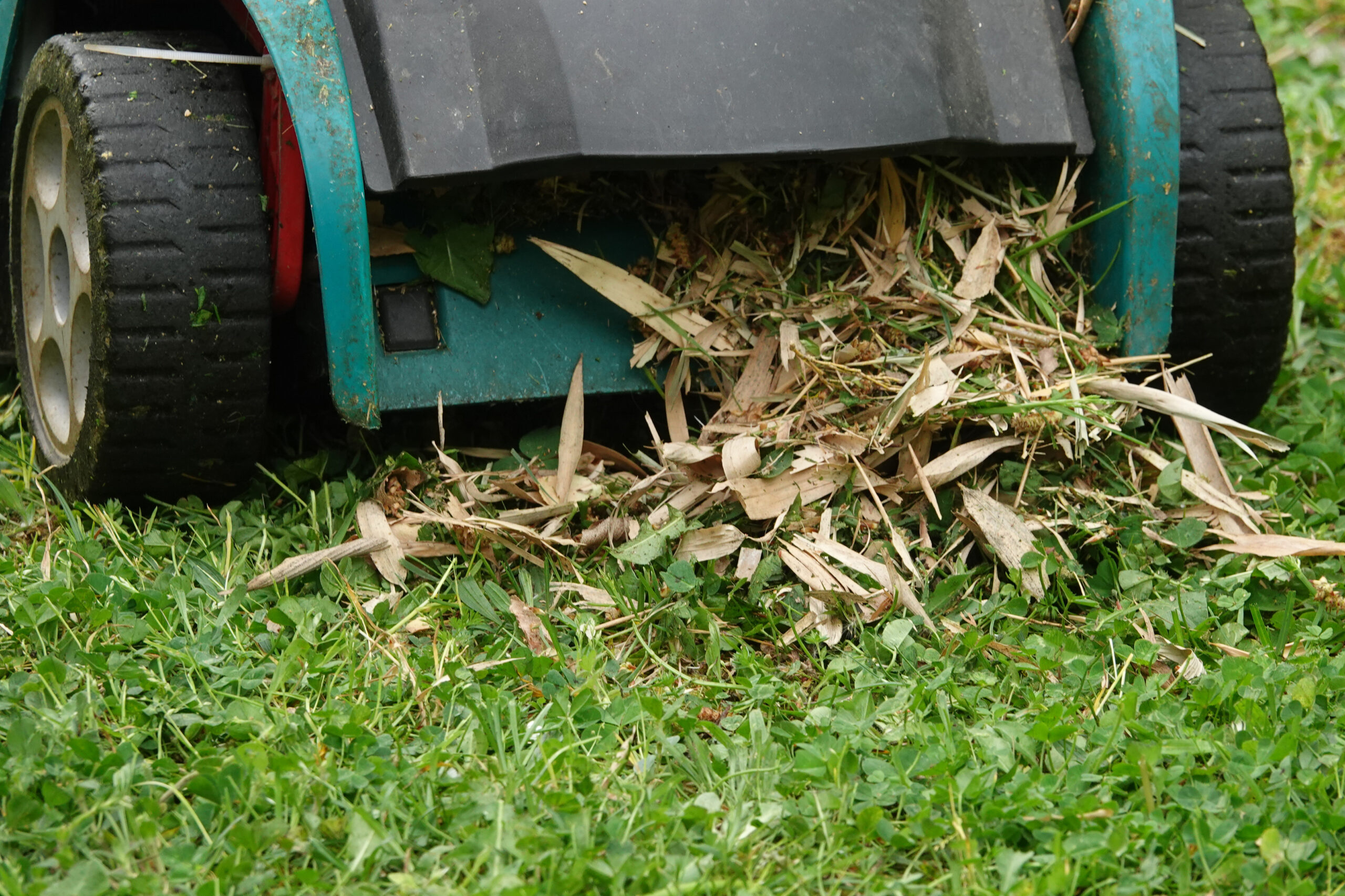
Mulching is the process of cutting grass into fine particles and leaving them on the lawn rather than collecting them. A mulching mower keeps the clippings circulating under the deck until they are small enough to fall back into the sward, where they break down quickly. As they decompose, they return nutrients and organic matter to the soil, supporting healthier growth and improving soil structure over time.
By contrast, collecting and disposing of clippings removes these natural nutrients, creating a reliance on artificial fertilisers and increasing waste. It also adds extra work, from emptying bags to transporting green waste.
Mulching removes these extra steps and keeps all useful material within the lawn, turning each mow into a simple cycle of cutting and feeding without generating waste.
Nutrient Recycling Turns Clippings into Free Fertiliser
Grass clippings contain the same core nutrients found in commercial fertilisers (nitrogen, phosphorus, and potassium) yet these are often thrown away when clippings are bagged and binned. A mulching mower finely chops the clippings so they break down quickly, releasing these nutrients back into the soil. This steady feed builds healthier growth and supports long-term lawn resilience without additional products.
Relying on clippings instead of chemical fertilisers also offers clear environmental gains. It reduces demand for manufactured fertilisers, along with the packaging, transport, and carbon footprint involved in producing them. It also lowers the risk of nutrient run-off into waterways — a common issue when synthetic fertilisers are over-applied.
Standout Mulching Models for Nutrient Recycling
- Honda HRN 536 VK – Versamow™ lets you switch between mulching and bagging, giving flexibility as lawn conditions change.
- Toro TimeMaster 30” – Dual-Force cutting and Atomic blades produce ultra-fine clippings for rapid breakdown and efficient nutrient return.
- Stiga Multiclip & Tornado (with mulching kit) – Purpose-built decks and sharp mulching blades ensure consistent shredding across varied lawn types.
Moisture Retention Uses Less Water, Keeping Grass Happier
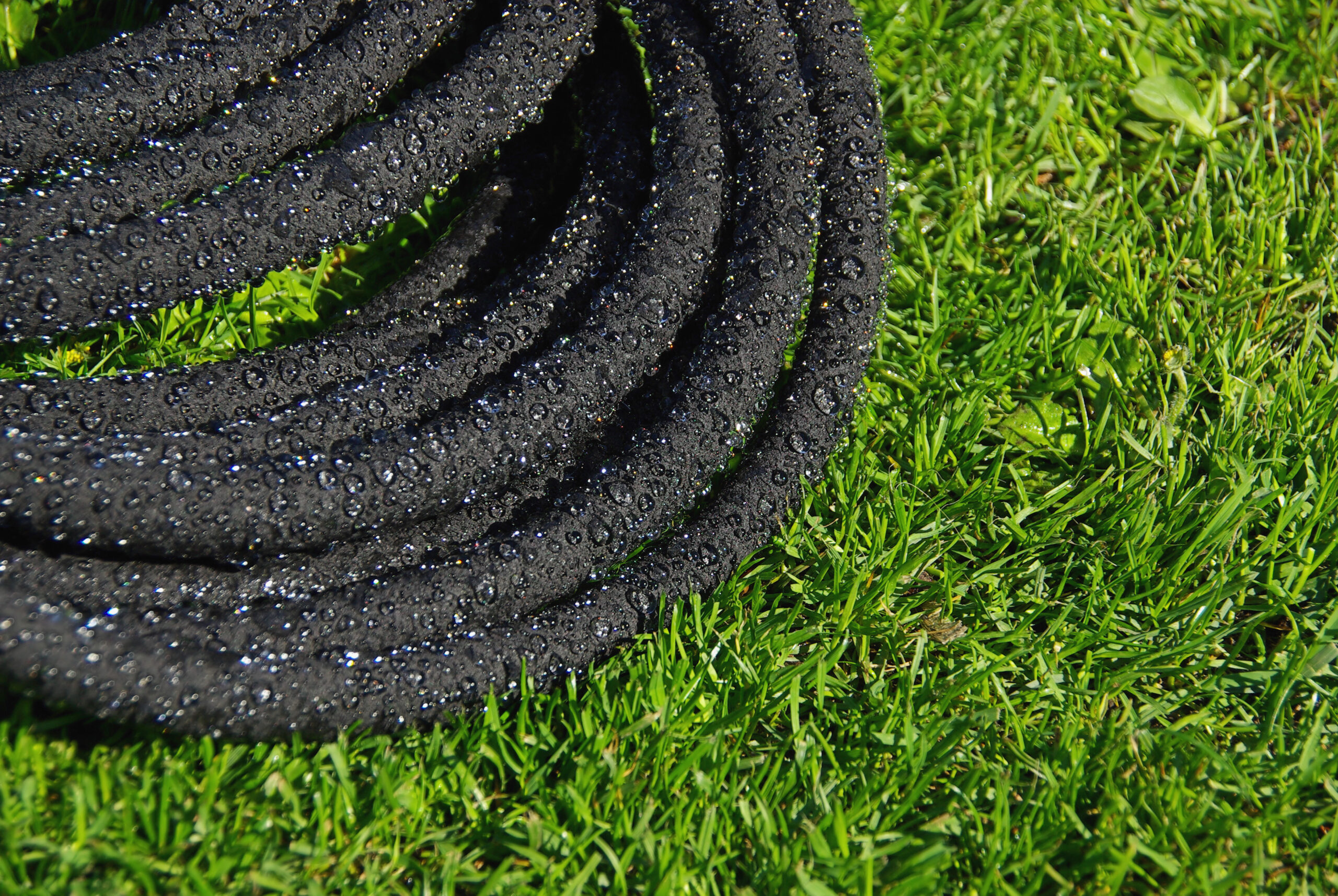
One of the biggest challenges in British lawn care is maintaining consistent moisture. Our weather swings from long wet spells to sudden periods of dryness, and different soil types either drain too quickly or hold too much water. Mulching creates a natural buffer against these extremes. The fine layer of recycled clippings shields the soil surface, slowing evaporation and helping it retain moisture for longer. This protective layer also stabilises soil temperature.
As the mulch breaks down, the soil becomes better at holding water, and roots gain more consistent access to moisture. The result is grass that copes well during dry spells and demands less watering overall. This reduces reliance on hosepipes, lowers water use, and supports a more sustainable garden routine.
What Are the Best Mulching Mowers for Moisture Retention?
- Honda HRN 536 VK – Versamow™ lets you mulch or bag as needed, with fine clippings ideal for moisture retention.
- Toro TimeMaster 30” – Wide deck and Dual-Force cutting create consistent, fine mulch across larger areas.
- Stiga Multiclip Pro 950 V – Purpose-built mulching system and strong engine performance make it effective on varied terrain.
Waste Reduction Rethinks Grass Clippings as a Resource
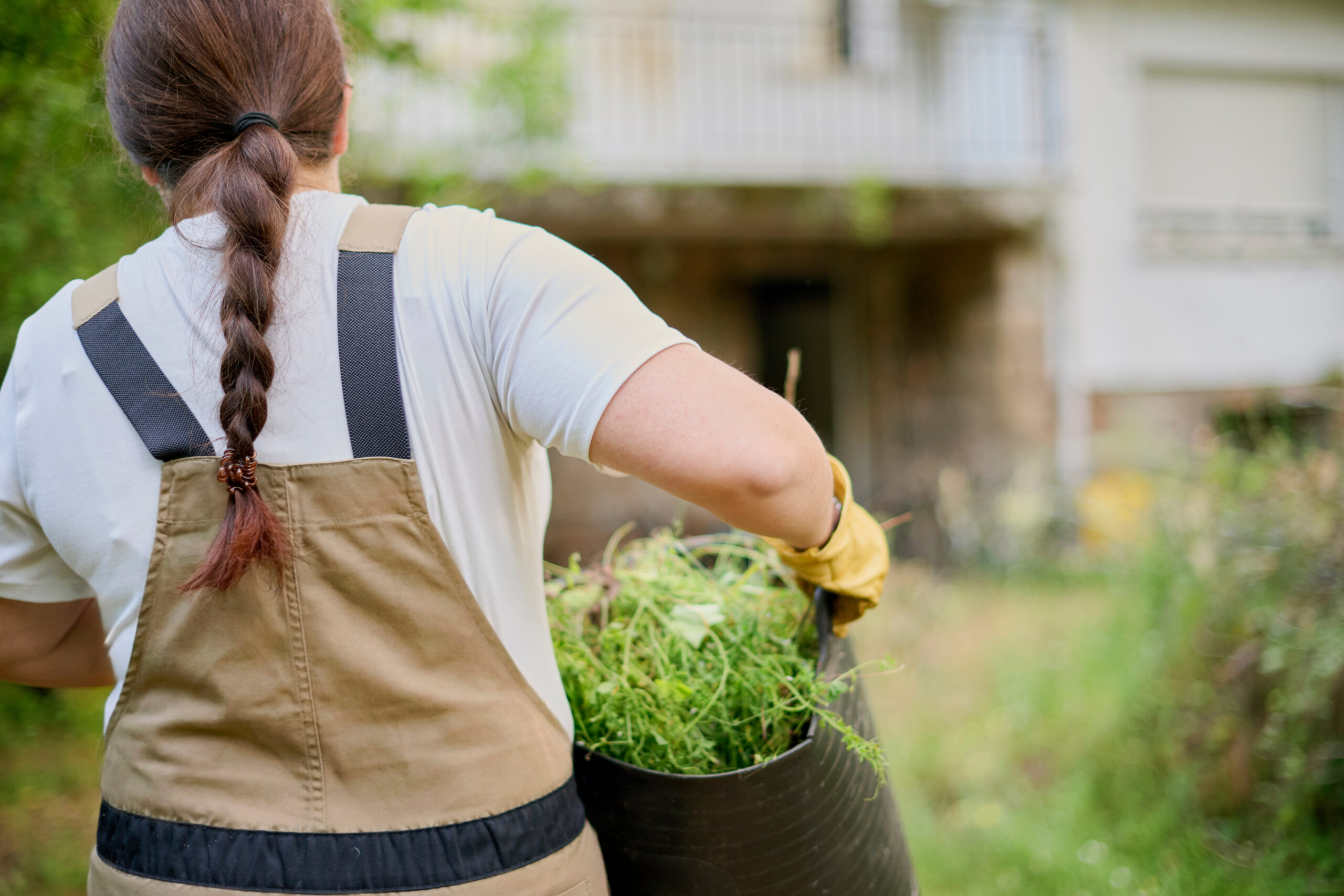
Traditional mowing produces a surprising amount of waste. Collecting clippings means stopping to empty bags, hauling them to a bin or compost heap and, for many households, dealing with overflowing green-waste collections. When this waste ends up in landfill, it contributes to methane emissions, and even home composting can struggle to keep up with the volume produced during peak growing months. The result is more labour for you and a larger environmental footprint.
Mulching flips this problem on its head. By finely chopping the clippings and returning them to the lawn, a mulching mower removes the need for transport, disposal, or processing. Because the particles are so small, they fall between the blades of grass and decompose quickly without smothering the lawn – provided mowing is reasonably regular. Instead of being a waste product, clippings become a free source of nutrients and organic matter, cutting both effort and environmental impact.
Less Raking, More Recycling
- No bagging, raking, or hauling clippings
- Fewer bin bags and reduced green-waste output
- No trips to the tip or reliance on council collections
Better-Looking Lawns Without Extra Inputs
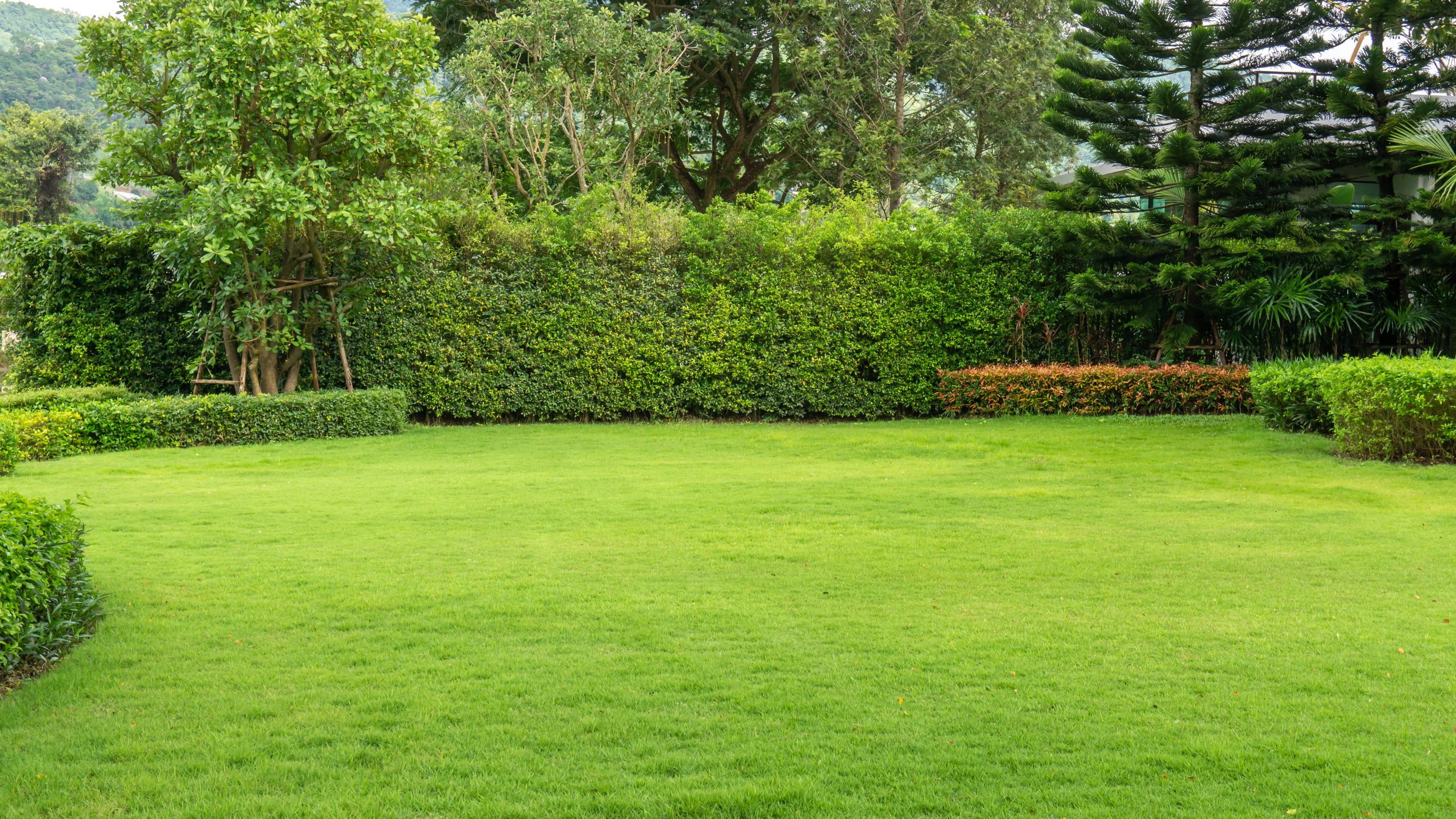
Mulching delivers a steady supply of nutrients every time you mow, supporting dense, even growth across the whole lawn. As the clippings decompose, they add organic matter that encourages a healthier, tidier finish over time. This helps the lawn stay greener for longer and improves its ability to cope with heat and foot traffic.
Because mulched clippings decompose quickly, they don’t contribute to thatch build-up. Regular mulching also supports a thicker sward that leaves less room for weeds, reducing reliance on herbicides and helping the lawn maintain a clean, even appearance.
Example Mulching Mowers for a Neater Finish
- Toro TimeMaster – Wide deck and fine mulching output for consistent, uniform results on larger lawns.
- Stiga Multiclip 950 V – Purpose-built mulching design delivers even spread and strong, healthy regrowth.
- Toro Recycler® 22” – Reliable mulching system and smooth performance for tidy lawns of all sizes.
Reduced Fertiliser Dependency and Environmental Impact

Mulching creates a natural feeding cycle that reduces the need for chemical fertilisers. As clippings decompose, they release nutrients gradually, giving the lawn a balanced supply with far fewer added products. Over time, this can significantly reduce — or even eliminate — the need for fertiliser applications.
This has meaningful environmental benefits: fewer chemical inputs, less packaging waste, and a reduced carbon footprint from manufacturing and transport. By keeping nutrients within the lawn rather than importing them, you also cut costs and avoid problems such as scorching or patchy feeding.
How to Choose a Sustainable Mulching Mower for Your Garden
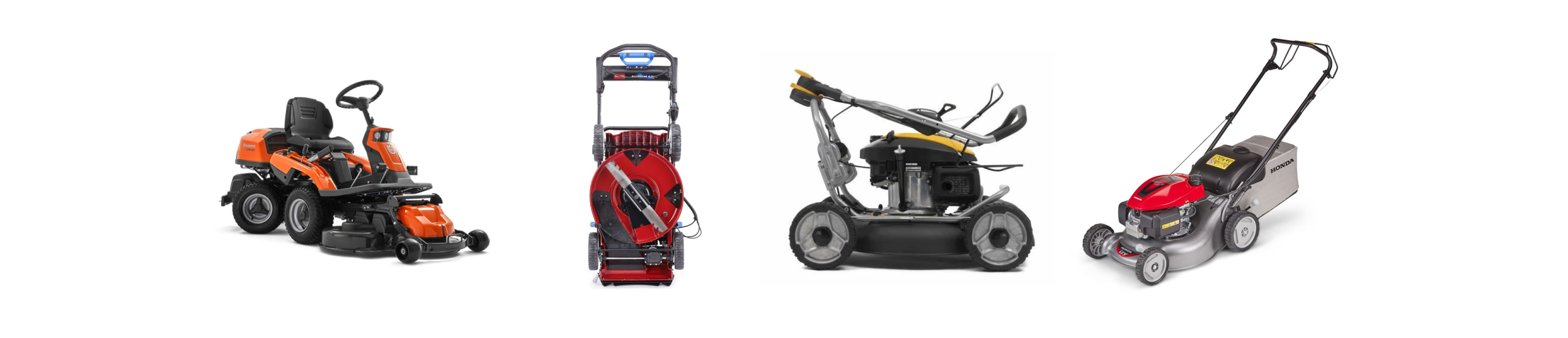
Selecting the right mulching mower starts with understanding your garden’s layout and how often you mow. Smaller lawns suit compact walk-behind models, while medium or larger spaces benefit from wider-cut machines such as the Toro TimeMaster, which reduce the number of passes required. For expansive or more demanding areas, an out-front or ride-on mower provides the reach and power needed to maintain a consistent mulch layer.
Power source also plays a role in sustainability. Battery mowers offer low noise, zero local emissions and minimal maintenance, making them ideal for domestic gardens. Efficient modern petrol engines remain the stronger choice for large plots or tougher terrain, delivering consistent performance where longer runtimes are needed. Consider your garden’s slopes, narrow access points and rough patches too, as these affect manoeuvrability and mower choice.
Regular mowing is key: shorter clippings mulch more effectively, improving soil health and sustainability gains. If you’re unsure which machine will suit your garden and mowing habits, the team at Sims can provide impartial advice or walk you through options in the Stratford-upon-Avon showroom.
Our Role in Sustainable Lawn Care
Sims Garden Machinery supports a more sustainable approach to lawn care by offering a wide range of efficient mulching mowers from leading brands such as Honda, Stiga, Toro, and Husqvarna . As an independent, family-run business, we can provide impartial guidance to help customers choose machines that suit their garden size, mowing habits, and environmental goals.
Long-term sustainability relies on equipment that is maintained well, and our on-site workshop offers servicing, repairs and blade sharpening to keep machines running efficiently and extend their working life. This reduces waste and ensures each mower performs at its best for many seasons.
Take the Next Step Toward a Greener Lawn

Mulching mowers offer a simple and sustainable way to nourish your lawn, cut water use, and reduce waste – all while improving soil health and appearance. If you’d like to explore the full range, browse our mulching mower collection or speak with the Sims team for guidance. You’re also always welcome to visit our Stratford-upon-Avon showroom to see the options in person.
FIND THE PERFECT MULCHING MOWER
Frequently Asked Questions on Mulching Mowers
Will mulching make my lawn look messy?
Not when mowing is done regularly. Fine clippings fall between the blades of grass and decompose quickly, leaving the surface clean while feeding the soil beneath.
Can I mulch in wet weather?
Lightly damp grass is fine, but mulching in very wet conditions can lead to clumping. Waiting for the lawn to dry slightly ensures cleaner shredding and an even finish.
Will mulching cause thatch?
No. Mulched clippings break down too quickly to form thatch. In fact, regular mulching encourages microbial activity that helps reduce thatch over time.
Can I still fertilise sometimes?
Yes. Occasional feeding is fine, though you’ll likely need far less. Mulching provides a steady supply of nutrients, reducing both cost and environmental impact.
Are battery mulching mowers powerful enough?
Modern battery models deliver strong performance for small to medium gardens. They also offer quiet operation and zero local emissions, making them a sustainable choice.
How often should I mow if I’m mulching?
More frequent mowing produces the best results, as shorter clippings decompose faster and return nutrients more effectively.


