



The Complete Lawnmower Maintenance Guide

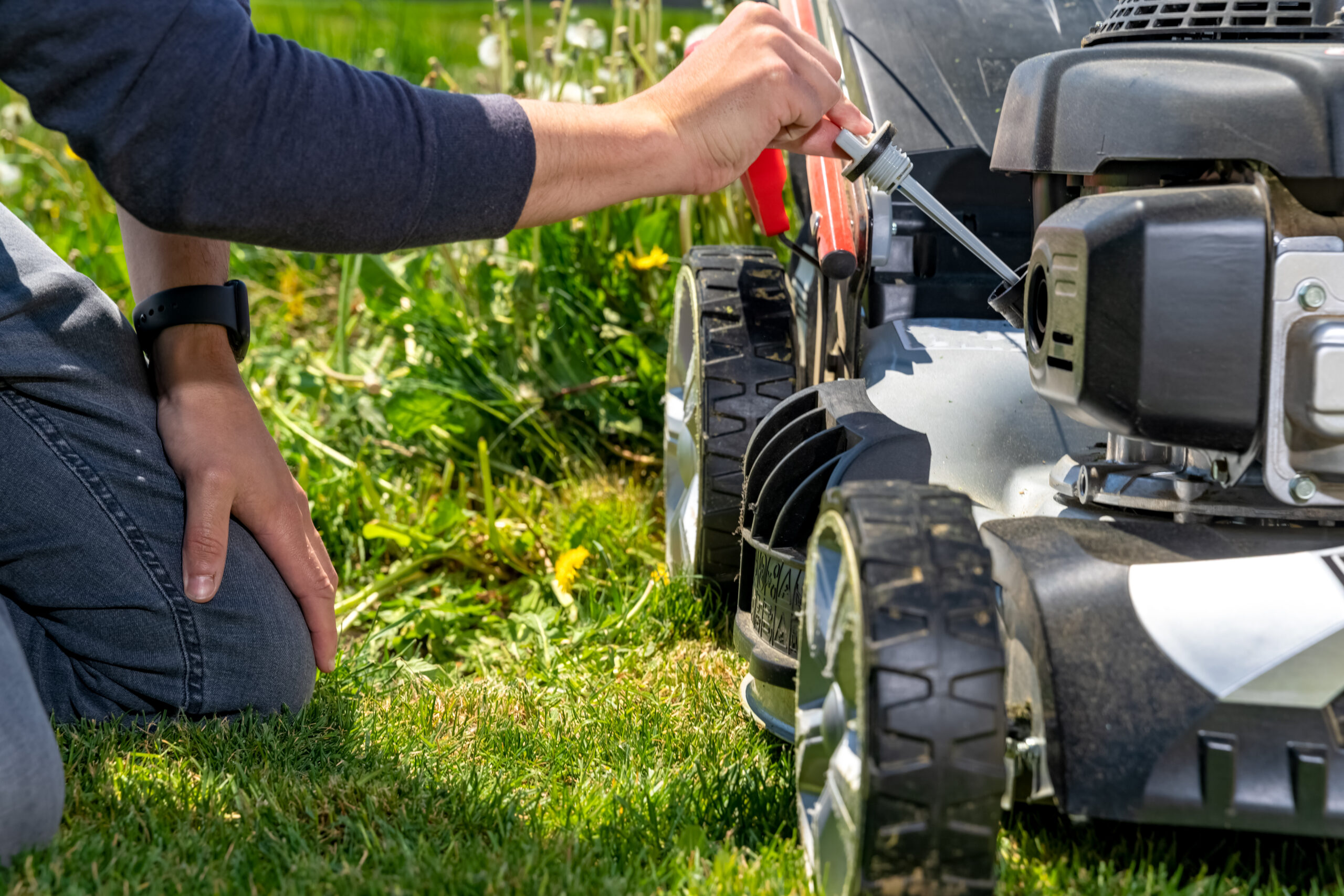
Keeping your lawnmower in good condition is one of the simplest ways to achieve a cleaner cut, reduce avoidable breakdowns, and get more years from your machine. Even premium models benefit from routine maintenance, and regular servicing may also be required to maintain some manufacturers’ warranties.
We’ve been selling and servicing lawnmowers for generations, from domestic battery mowers to commercial ride-ons, so this guide brings together the advice we share with customers every day.
What to Expect From a New Lawnmower
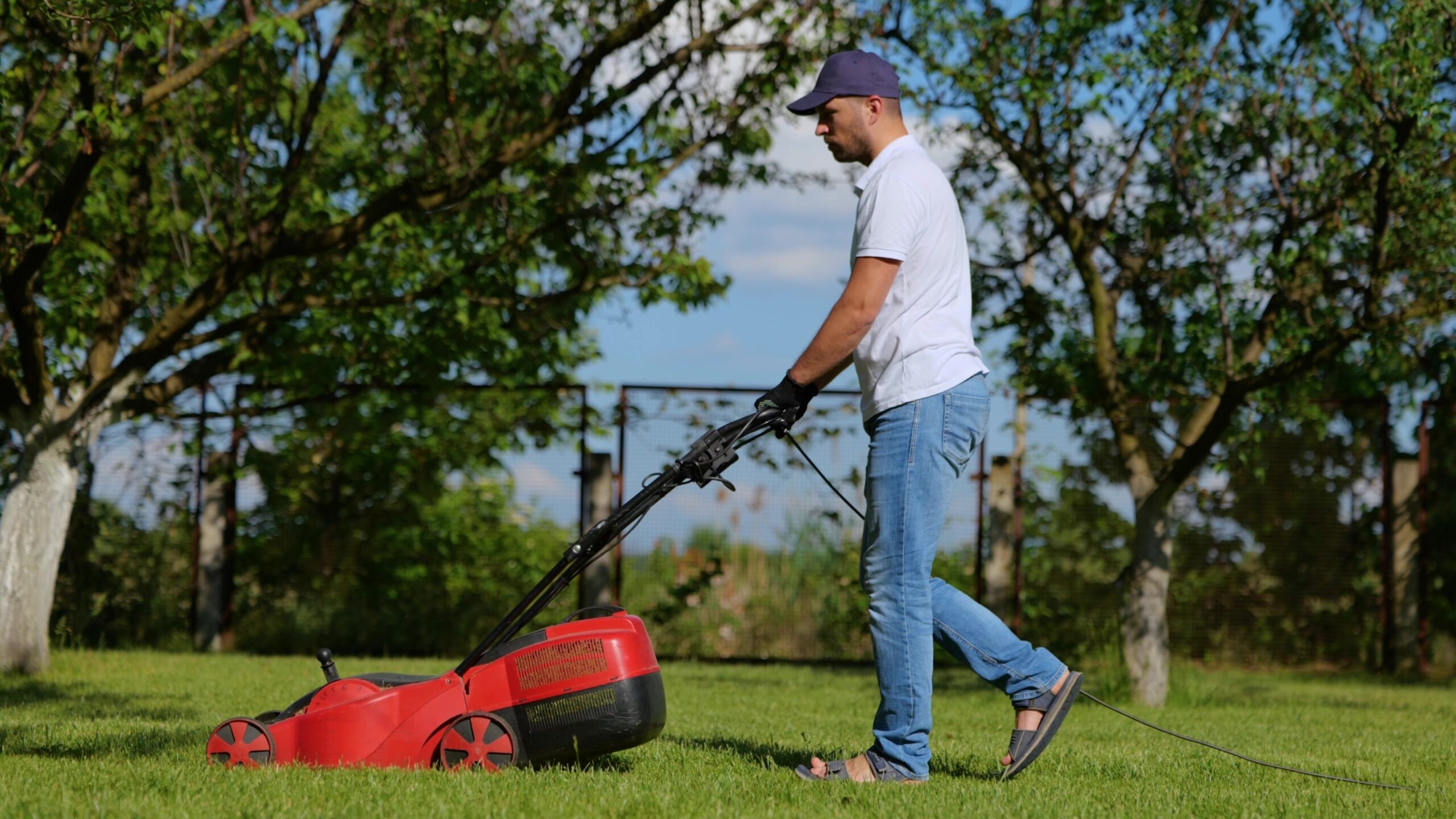
A new lawnmower should feel responsive and ready to work, but it’s perfectly normal for it to settle in during its first few uses. On petrol models, you may notice a slight smell as the engine reaches operating temperature for the first time. Control cables can also stretch very slightly with use, and it’s worth checking that any accessible fasteners remain secure after the first few mowing sessions.
Take time to read the manufacturer’s manual before getting started and familiarise yourself with the controls, cutting height adjustment, and any safety features. A few minutes spent understanding your machine will make it safer and easier to use.
The blade will also bed in naturally as it’s used. If you accidentally strike stones, tree roots, or other hard objects, inspect the blade before mowing again, as damage can affect both cutting performance and safety.
Buying from a specialist dealer also means your mower should arrive ready to use – expect every new machine to be assembled and tested before handover, with a demonstration of its operation and basic maintenance, helping you get off to the best possible start.
The Maintenance Basics Every Owner Should Know
| Task | Every mow | Monthly | Annually |
| Remove grass and debris from the deck | ✓ | – | – |
| Empty the grass collector | ✓ | – | – |
| Inspect the blade for damage or excessive wear | ✓ | – | – |
| Check visible nuts, bolts and fixings | – | ✓ | – |
| Check cables and safety controls operate correctly | – | ✓ | – |
| Check battery condition and charging (battery mowers) | – | ✓ | – |
| Check fuel condition (petrol mowers) | – | ✓ | – |
| Arrange a full service | – | – | ✓ |
Grass clippings left to dry underneath the deck can restrict airflow, reducing collection performance, and affecting the quality of the cut. Cleaning the underside of the mower after use also helps prevent corrosion and makes it easier to spot any damage before it becomes a bigger problem.
Get into the habit of checking the blade regularly, particularly after mowing rough ground or striking hidden objects. While you’re there, take a quick look over any accessible fixings and make sure nothing has worked loose through vibration.
Battery-powered mowers should be stored in a dry place, with the battery charged in line with the manufacturer’s guidance, especially over winter. For petrol models, avoid leaving old fuel in the tank for extended periods, as stale fuel is one of the most common causes of starting problems after storage.
Petrol vs Electric vs Battery Lawnmowers: What’s Different?
| Maintenance Area | Petrol | Battery (Cordless) | Electric (Corded) |
| Blade inspection | ✓ | ✓ | ✓ |
| Cleaning after use | ✓ | ✓ | ✓ |
| Engine oil | ✓ | – | – |
| Spark plug | ✓ | – | – |
| Air filter | ✓ | – | – |
| Fuel system | ✓ | – | – |
| Battery care | – | ✓ | – |
| Power cable inspection | – | – | ✓ |
| Annual servicing | Recommended | Recommended | Recommended |
Petrol Lawnmowers: Most Routine Maintenance
Engine oil should be changed at the intervals recommended by the manufacturer, while air filters and spark plugs should be inspected and replaced as they wear. Fresh fuel is equally important. Petrol left in the tank over winter can deteriorate, leading to poor starting and carburettor problems when the mower is used again.
Battery-Powered Mowers: Fewer Routine Service Items
Charge the battery as recommended by the manufacturer, avoid storing it in very hot or freezing conditions, and keep the battery contacts clean. Some premium models may also receive firmware or software updates through the manufacturer’s app or servicing equipment.
Corded Electric Mowers: Simplest to Maintain
Without an engine or battery system to service, attention is mainly focused on keeping the machine clean, checking the power cable for signs of damage, and making sure the switches and safety features operate correctly.
Although battery and corded mowers are often described as low maintenance, they aren’t maintenance-free. Regular inspections and timely blade maintenance will help any mower deliver a cleaner finish and a longer working life.
Looking After Different Types of Lawnmower

Different lawnmowers need different levels of maintenance. Understanding the specific requirements of your machine will help you keep it working reliably and maintain the best possible finish.
Rotary Mowers
Rotary mowers are relatively straightforward to maintain.
- Keep the underside of the deck clean
- Inspect the blade regularly for damage or wear
- Remove any grass build-up after mowing
If your mower has a rear roller, clean it as well to prevent debris affecting the quality of the stripes or restricting its movement.
Cylinder Mowers
Cylinder mowers produce a finer cut than rotary models but require more precise maintenance.
The cutting cylinder and bottom blade must remain correctly adjusted to achieve a scissor-like action. If cutting quality starts to decline, the cylinder may need regrinding and the bottom blade may require attention.
Unlike a rotary mower, simply sharpening the blade is often not enough to restore performance.
Ride-on Mowers
Ride-on mowers benefit from regular deck cleaning, particularly during the growing season when grass can quickly accumulate underneath.
- Check drive belts for signs of wear
- Maintain the correct tyre pressures
- Keep the battery charged if the machine isn’t being used regularly
Machines fitted with grease points should also be lubricated at the intervals recommended by the manufacturer.
Robotic Mowers
Robotic mowers require less day-to-day attention but still benefit from routine care.
- Replace the small cutting blades as they become worn
- Keep the underside of the machine clean
- Install any firmware or software updates recommended by the manufacturer
Before winter storage, it’s good practice to:
- Clean the mower thoroughly
- Fully charge the battery
- Have the installation checked if required
Many owners also choose an annual robotic mower service. This typically includes cleaning, electronic diagnostics, software updates, battery checks, blade replacement, and testing of the machine’s safety functions. Some service packages, such as the Bronze, Silver, and Gold options, also include winter storage, collection and delivery, or on-site setup and calibration, depending on the level of service selected.
Understanding Blade Maintenance
| Blade condition | Effect on lawn |
| Sharp | Clean, even cut with a healthier appearance |
| Blunt | Torn grass, uneven finish, brown tips |
| Bent or damaged | Poor cutting performance and possible vibration |
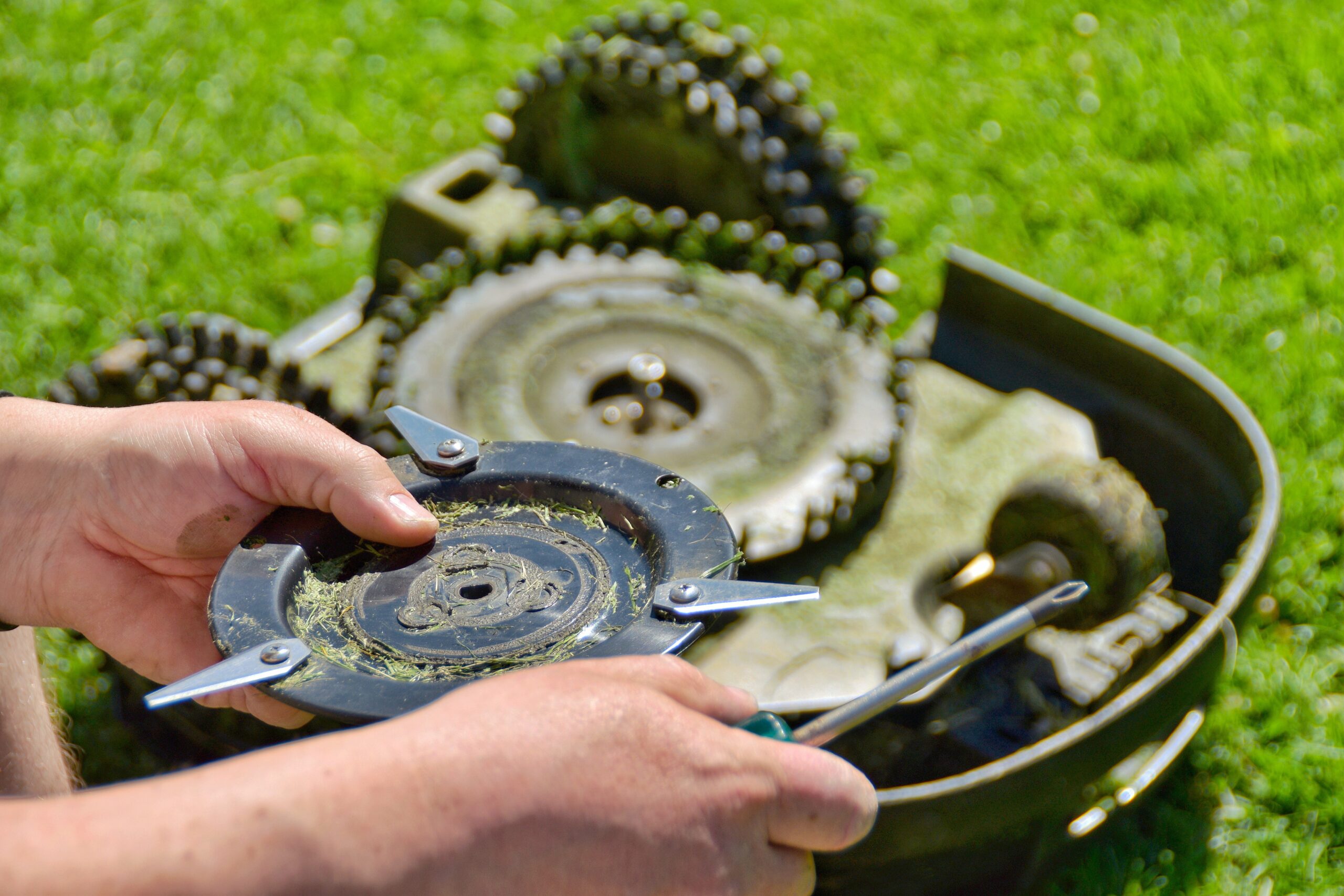
How often a blade needs sharpening depends on how often you mow and the conditions you mow in. For many domestic users, sharpening once a season is sufficient, although sandy ground, hidden stones, and regular use will increase wear.
Whenever a blade is sharpened, it should also be checked for correct balance. An unbalanced blade can cause excessive vibration, putting unnecessary strain on the mower. If a blade is badly worn or bent, replacement is the safer option. Professional blade sharpening services can also assess whether a blade still has enough material to be sharpened safely.
Seasonal Maintenance Calendar

Your lawnmower’s maintenance needs change throughout the year. Following a simple seasonal routine will reduce avoidable repairs and ensure it’s ready when the grass starts growing again.
- Spring: Inspect the mower before the first cut, check the blade, inspect cables or controls, top up or replace stale fuel if needed, and make sure the battery is fully charged.
- Summer: Clean the deck regularly, remove grass build-up after mowing, inspect the blade for wear, and keep an eye on tyre pressures on ride-on mowers.
- Autumn: Give the mower a thorough clean before storing it, inspect for worn parts, and arrange servicing if required before the next season.
- Winter: Store the mower somewhere clean and dry. Petrol models should not be left with stale fuel, while removable batteries should be stored indoors in accordance with the manufacturer’s guidance. Robotic mowers should be removed from the lawn, cleaned, charged, and stored for winter.
Winter is also an ideal time to arrange a professional service. Workshop demand is often lower than during the mowing season, allowing any worn parts to be replaced before spring arrives.
For robotic mowers, winter servicing commonly includes a full clean, software updates where applicable, battery health checks, and inspection of the charging station and boundary wire before the machine is returned ready for the new season.
Common Problems and What They Usually Mean
| Problem | Possible Cause |
| Won’t start | Flat battery, stale fuel, faulty spark plug, or safety controls not engaged |
| Cuts unevenly | Blunt or damaged blade, incorrect cutting height, or uneven tyre pressures on ride-on mowers |
| Leaves clumps of grass | Wet grass, blocked deck, full grass collector, or mowing too quickly |
| Excessive vibration | Bent or unbalanced blade, loose fixings, or impact damage |
| Poor grass collection | Grass build-up under the deck, worn blade, blocked discharge chute, or damp conditions |
| Battery runs flat quickly | Ageing battery, incorrect charging, or cold storage conditions |
| Engine surging | Old fuel, blocked air filter, or carburettor issues |
| Strange noises | Loose components, worn bearings, damaged belts, or contact with foreign objects |
Where the cause isn’t obvious, or the problem returns after carrying out basic checks, it’s best to have the machine inspected by a qualified technician. Identifying faults early is often quicker and less expensive than repairing damage caused by continued use.
Looking After Your Lawnmower for the Long Term
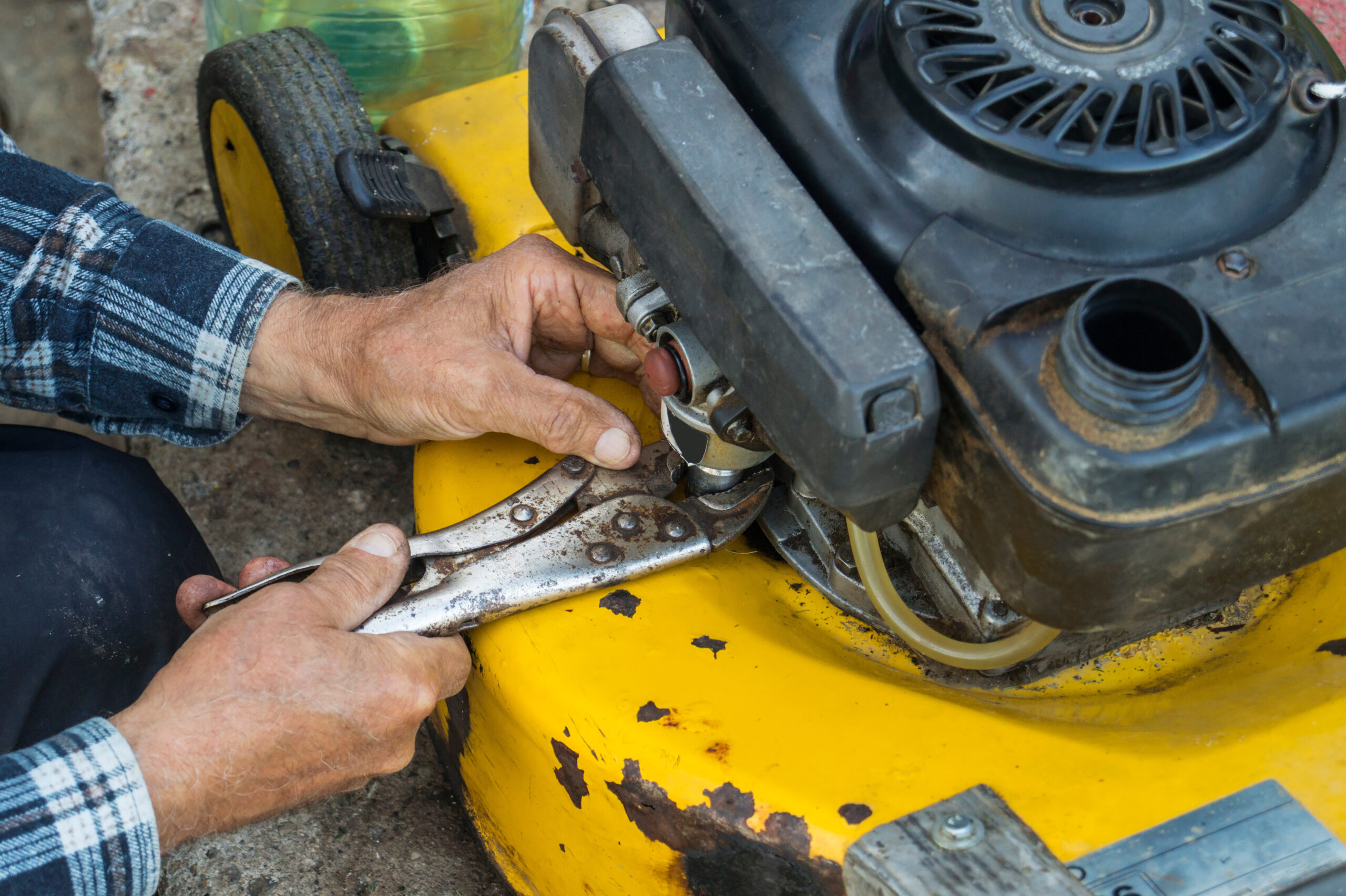
A little routine maintenance is often far less expensive than major repairs, and many common problems can be avoided with regular care and servicing at the right intervals. If you’re in the area and would prefer to leave the maintenance to the professionals, our workshop is always happy to help with servicing, repairs, and expert advice to keep your mower performing at its best.
FAQs on Lawnmower Maintenance
How often should I sharpen my lawnmower blade?
For most domestic users, once a season is sufficient. More frequent sharpening may be needed if you mow regularly or hit stones and other hard objects.
Can I wash the underside of my mower?
Yes, but always follow the manufacturer’s guidance. Remove grass build-up after mowing and avoid directing water at engines, bearings, electrical components, or batteries.
Should I leave petrol in the mower over winter?
It’s best not to. Old fuel can deteriorate during storage and may cause starting or carburettor problems.
Why is my lawnmower smoking?
Smoke can have several causes, including excess oil, oil contamination after tipping the mower incorrectly, or an engine fault. If the smoke continues, stop using the machine and have it inspected.
Why is my mower cutting unevenly?
A worn blade, incorrect cutting height, blocked deck, or uneven tyre pressures on ride-on mowers are common causes.
How long should a lawnmower last?
With regular maintenance and servicing, a quality lawnmower can provide many years of reliable use.
Should I service a mower that still runs perfectly?
Yes. Routine servicing helps identify wear before it develops into a more expensive repair.
Do new lawnmowers need servicing?
Yes. New machines still require routine maintenance and servicing at the intervals recommended by the manufacturer.
Is servicing worth it on older machines?
In many cases, yes. A professional inspection can help determine whether servicing is the most economical option or whether replacement is likely to offer better long-term value.
How often should a lawnmower be serviced?
This depends on how much the machine is used, though an annual service can identify wear before it worsens.
Domestic models working in small lawns may only need a yearly service, whereas machines used in larger gardens or commercial environments will usually benefit from frequent inspections.
High-hour machines should be serviced in line with the manufacturer’s recommendations, and keep in mind that some warranties require servicing at recommended intervals.


