


Can a Ride-On Lawnmower Make Mowing Less Physically Demanding?


Mowing a large lawn can be hard work. With a walk-behind mower, you’re covering the full area on foot while pushing or guiding the machine, often for a considerable amount of time.
A ride-on lawnmower takes much of that physical work out of the job. You operate the mower from a seated position, making regular mowing less demanding when there’s a lot of ground to cover.
When Mowing Large Lawns
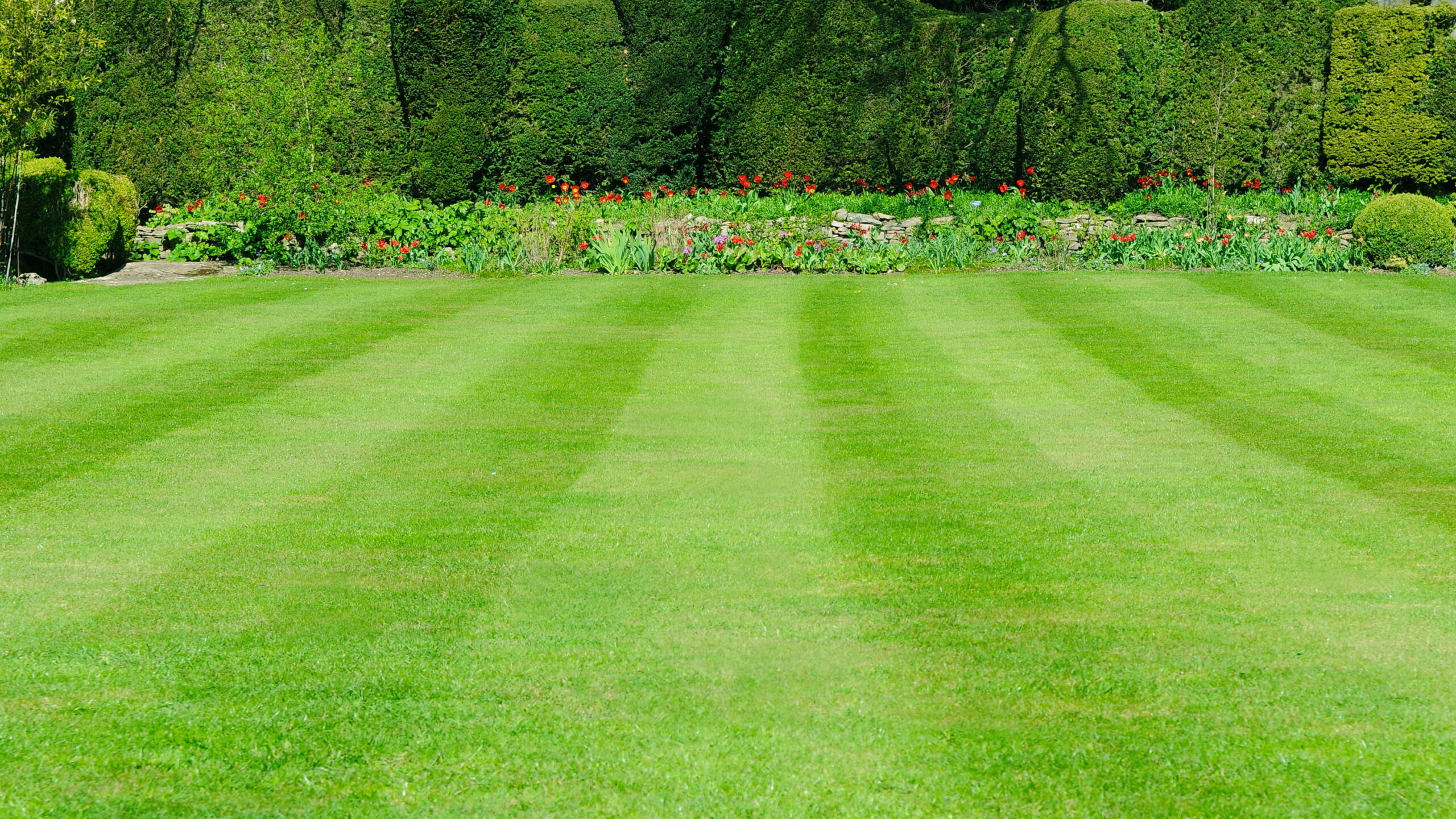
The larger the lawn, the more work goes into a single cut. With a walk-behind mower, you need to cover the whole area on foot while pushing or guiding the machine. Add slopes or uneven ground, and maintaining a steady pace can require even more effort.
There’s also plenty of turning involved. Trees, borders, paths, and other obstacles can mean repeatedly changing direction and repositioning the mower. If you collect your grass clippings, a full collector needs to be emptied regularly, adding another job each time you mow.
None of these tasks is particularly unusual on its own. Over a large garden, though, they soon add up. The longer the mower is running, the longer you’re walking, steering, turning, and dealing with clippings. For anyone mowing a substantial area regularly, reducing some of that workload can make a noticeable difference.
How a Ride-On Mower Reduces the Work Involved
The biggest change when moving from a walk-behind mower to a ride-on is how much of the physical work the machine takes over.
Mow From a Seated PositionInstead of walking behind the mower for the entire cut, you operate a ride-on from a seated position. On a large lawn, this removes a considerable amount of walking, as well as the need to physically push a mower around the garden. |
Cover More Ground With Each PassRide-on mowers also tend to have wider cutting decks than walk-behind models. Each pass cuts a larger strip of grass, reducing the number of trips up and down the lawn needed to finish the job. |
Let the Mower Do the TravellingWith a walk-behind mower, you’re constantly moving with the machine. A ride-on carries you across the lawn instead, leaving you to concentrate on steering, controlling your speed, and managing the cut. |
Spend Less Time MowingA suitably sized ride-on can cover a substantial lawn more efficiently than a smaller walk-behind mower. Exactly how much time you save will depend on the lawn, its layout, and the machine you choose. |
There is still some physical input involved, including getting on and off, operating the controls, and dealing with clippings if you collect them. A ride-on doesn’t remove every task, but it can substantially reduce the walking and pushing involved in regular mowing.
The Right Ride-On Matters
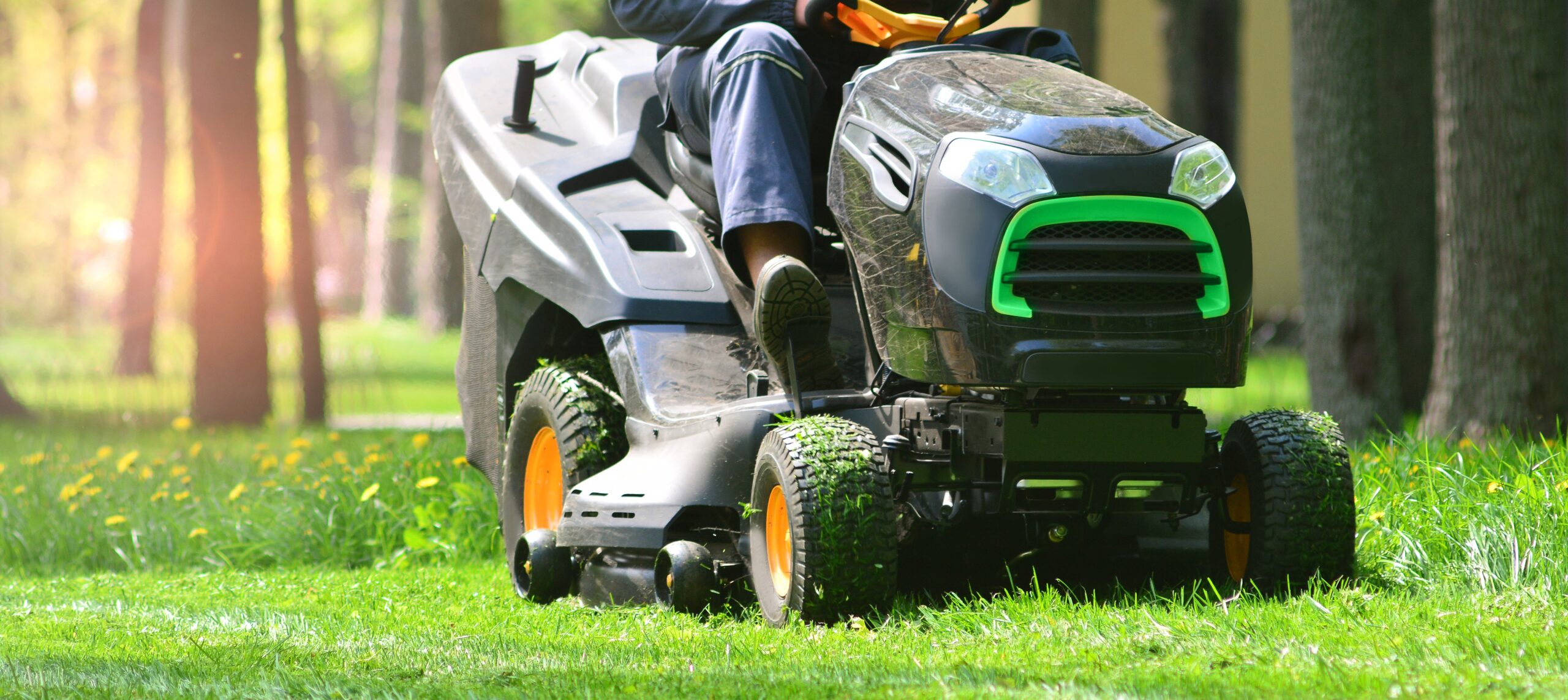
A ride-on mower will only make the job easier if it suits the garden you’re mowing. A machine that’s too large for narrow access points or awkward around trees and borders could create more work, while the wrong setup may struggle with slopes or uneven ground.
Lawn size matters, but so do the layout, terrain, access, and obstacles. These should all influence the type of ride-on you choose.
Which Type of Ride-On Mower Is Easiest to Use?
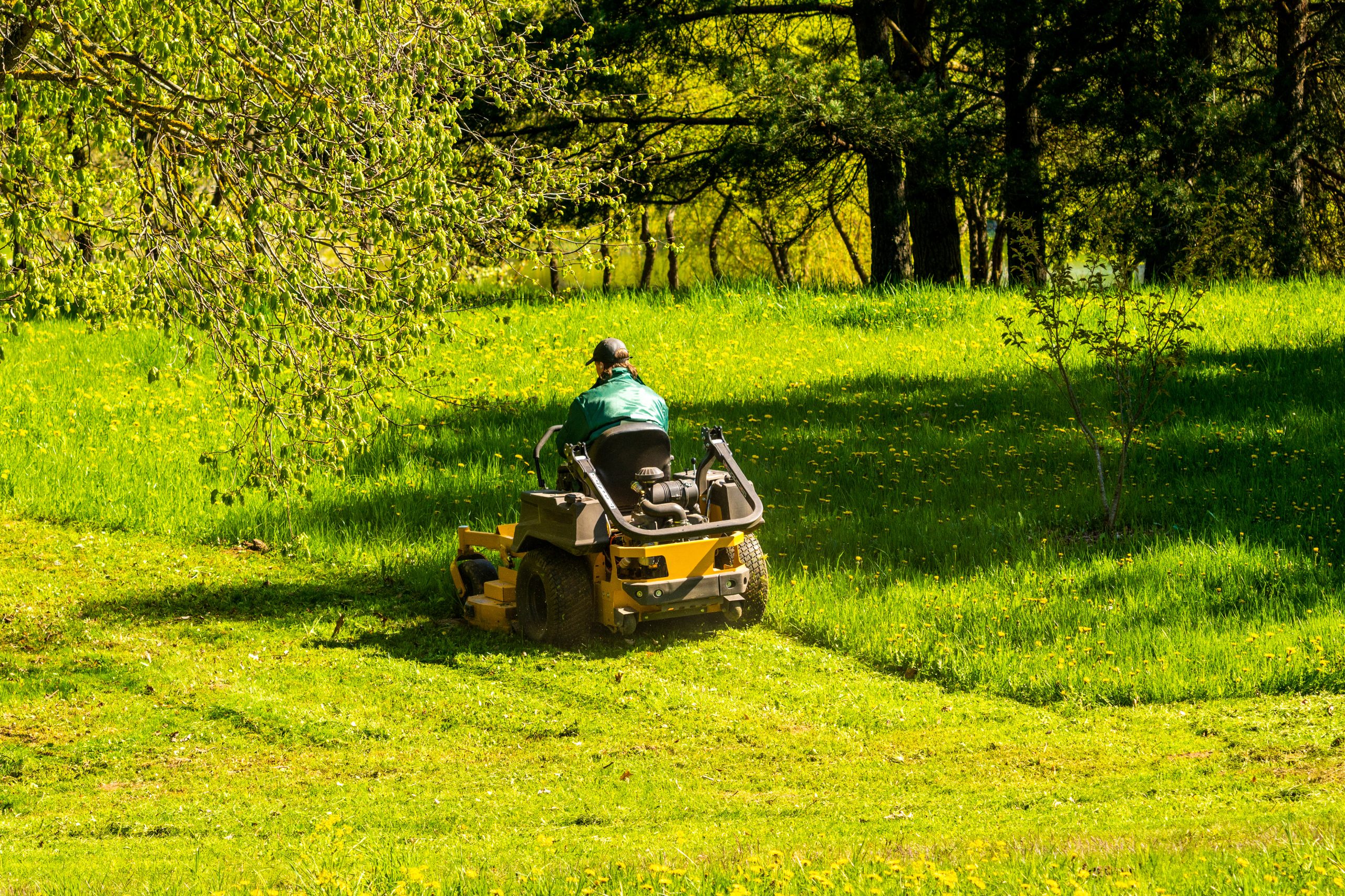
There isn’t one type of ride-on mower that will be easiest for every garden. Open lawns, tight spaces, and gardens with lots of obstacles place different demands on the machine, so choosing the right design can reduce unnecessary steering and manoeuvring.
Lawn Tractors
Lawn tractors are well suited to larger, relatively open gardens where you can make long passes without constantly changing direction. Their wider cutting decks help cover ground efficiently, while seated operation removes the need to walk behind the mower.
You can also choose between machines that collect, mulch, or discharge clippings. If regularly stopping to empty a collector adds unwanted work, mulching or side discharge may be worth considering where suitable.
Compact Ride-On Mowers
A full-sized lawn tractor can become cumbersome in a garden with tighter spaces. A compact ride-on gives you the advantage of seated mowing in a smaller machine that can be easier to manoeuvre around obstacles.
Access is important too. Gates, paths, and narrow passages should be considered before choosing the size of your mower.
Out-Front and Articulated Ride-On Mowers
An out-front cutting deck gives you a clearer view of where you’re mowing, which can help when working close to borders, trees, and other features.
Some ride-on mowers also use articulated steering, allowing the rear of the machine to follow the front more closely through turns. This can make navigating more complicated lawn layouts easier.
Zero-Turn Mowers
Zero-turn mowers can turn within their own footprint, making them particularly manoeuvrable. On a suitable lawn, this tight turning capability can cut down on repeated reversing and repositioning at the end of each pass or when mowing around obstacles.
Look Beyond the Seat
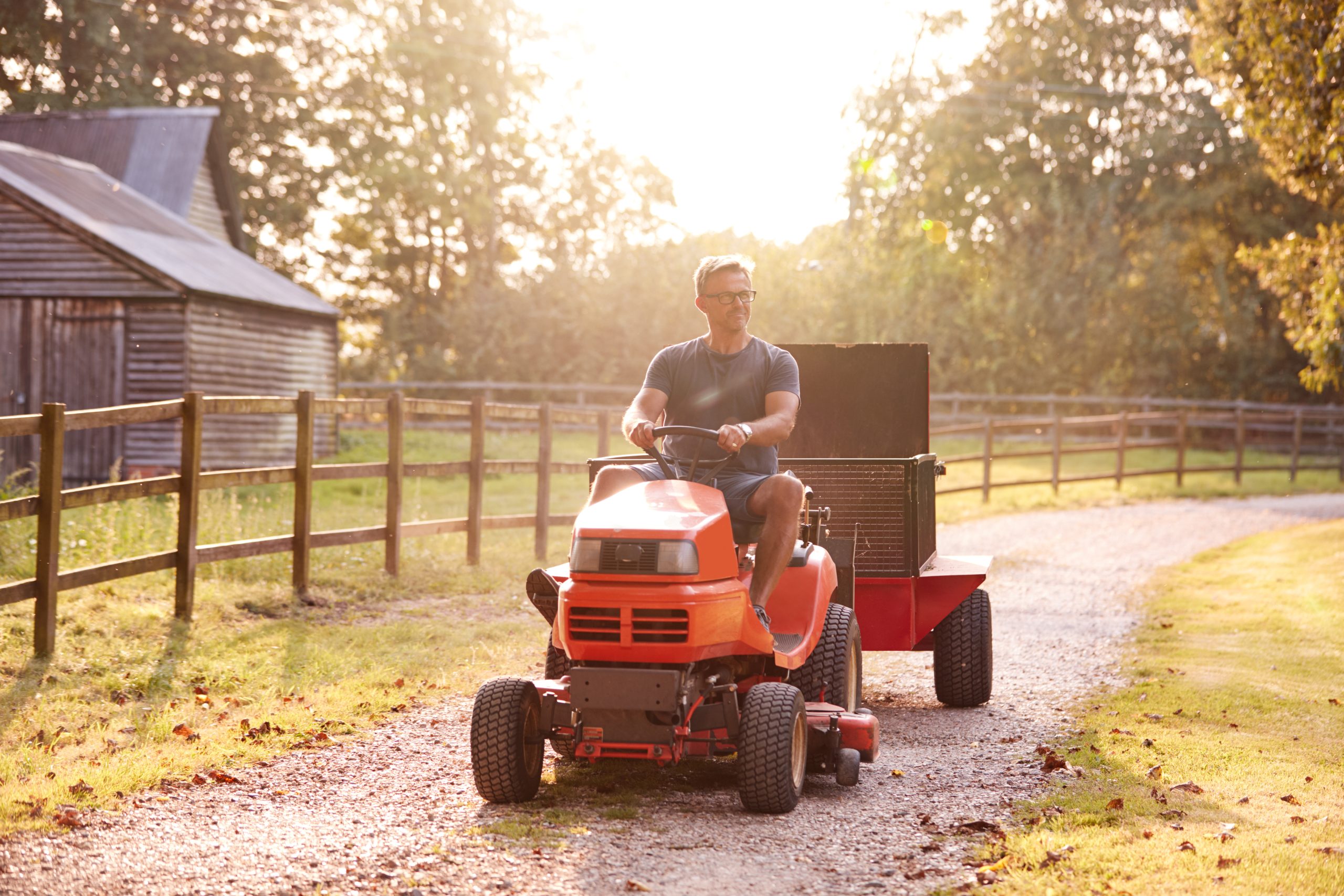
The type of ride-on matters, but so do the controls and features of the individual machine. Think about which parts of mowing currently require the most effort, then compare models with those in mind.
Some useful points to consider include:
- Transmission and controls: Look at how you change speed and direction, as well as how easily you can reach and operate the main controls.
- Steering and manoeuvrability: If your lawn has trees, borders, or other obstacles, consider how easily the mower can negotiate them without repeated reversing and repositioning.
- Cutting width: A wider deck can cover more grass with each pass, but may be less practical where access or mowing space is tight.
- Grass collection: If you want to collect clippings, check the collector capacity and how it is emptied. Mulching or discharge can remove the need to stop and empty a collector where these methods suit the lawn.
- Traction: Slopes and uneven ground may require a machine better suited to more challenging terrain.
- Getting on and off: Step-through access, seating position, control placement, and general visibility can vary considerably between machines.
Where possible, it’s worth trying a mower before deciding. Specifications are useful, but they won’t tell you how natural a particular machine feels to operate.
Think About Your Garden Before Choosing a Mower
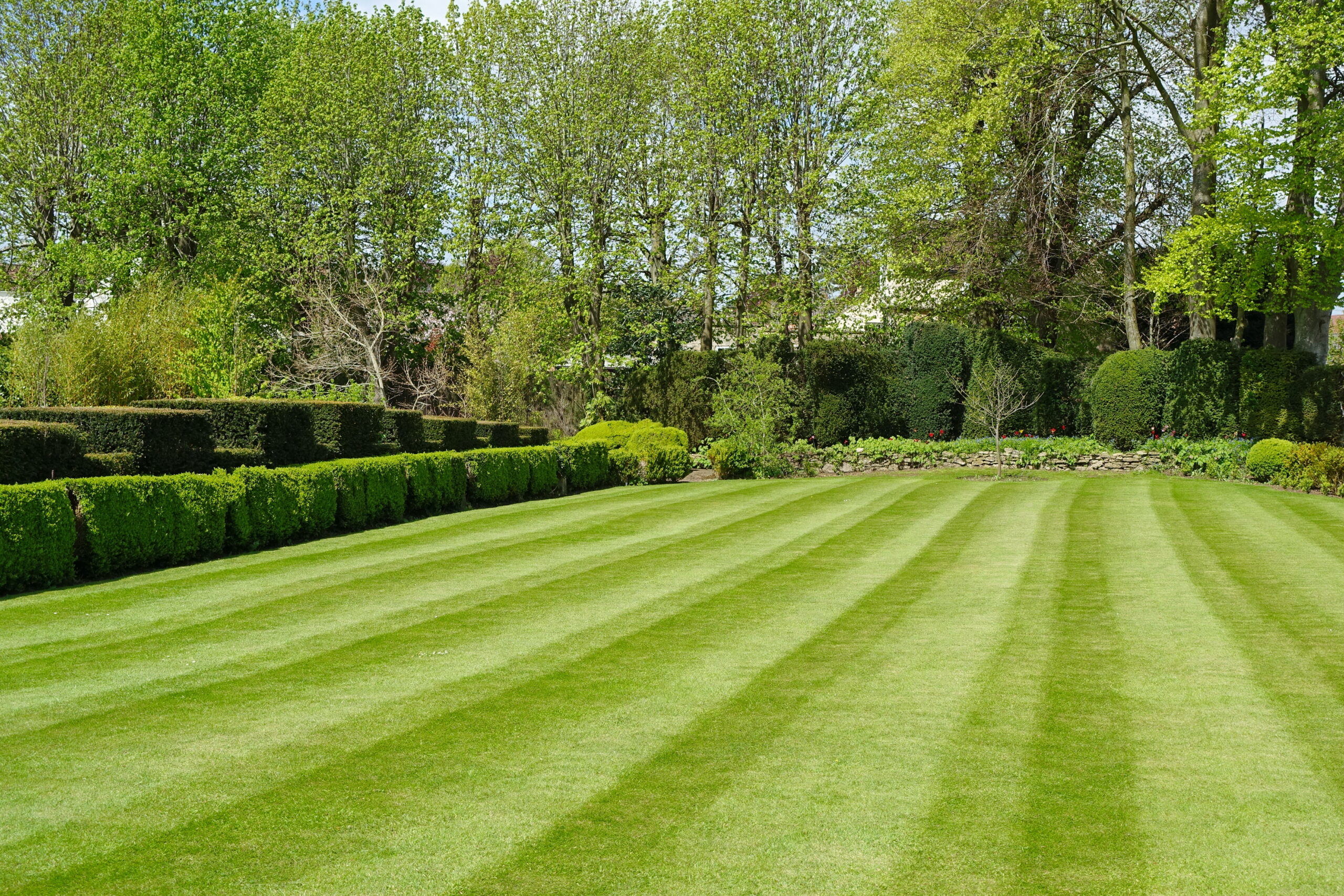
A bigger or more powerful mower won’t necessarily make mowing easier. The best fit is a machine that works with the size and layout of your garden without creating extra work.
Start with a few simple questions:
- How large is the lawn? This will help determine a suitable cutting width and type of ride-on.
- Is the ground flat or sloping? The terrain can affect the type of machine and traction you need.
- What will you mow around? Trees, borders, paths, and other obstacles can make manoeuvrability particularly important.
- Can the mower get in? Measure gates and narrow access points before considering the overall size of the machine.
- Where will you keep it? Check that you have enough suitable storage space.
- What will you do with the clippings? Collection, mulching, and discharge each involve a different approach to mowing.
If you’re unsure how these factors translate into a particular mower, we can offer independent advice based on your garden and how you want to maintain it.
What If Mowing Is Already Becoming Difficult?
If mowing a large lawn is starting to feel like more work than it used to, it may be worth reconsidering the machine you use. Reducing the amount of walking and pushing involved, spending less time mowing, and avoiding unnecessary manoeuvring can all make regular lawn maintenance more manageable.
A ride-on still requires you to get on and off the machine and operate it safely. If this may be difficult, consider your individual requirements carefully before choosing a mower.
Try a Ride-On Before You Decide

Specifications can narrow down your options, but it’s worth getting a feel for a ride-on mower before making your choice. Sit on the machine and consider the seating position, visibility, steering, control placement, and how easy it is to get on and off.
At our 700m² Stratford-upon-Avon showroom, you can compare ride-on mowers from different manufacturers. As an independent retailer, we can advise across several brands and help you find a machine that suits both you and your garden.
Finding a Ride-On Mower That Takes the Work Out of Mowing
If maintaining a large lawn with a walk-behind mower is becoming too laborious, the right ride-on can reduce the walking and pushing involved while helping you cover the ground more efficiently.
Browse our range of lawn tractors, out-front, and zero-turn mowers, or speak to the Sims team about your lawn size, layout, and terrain to find a machine that suits the job.


