



How to Store Garden Machinery Over Winter


Putting your garden machinery away after its last use of the season might seem straightforward, but a little preparation can prevent problems when spring arrives. Petrol can deteriorate during storage, while moisture and damp conditions can lead to corrosion and damage. Without proper care, you could find your equipment difficult to start or in need of repairs when you next need it.
Taking the time to prepare your machinery for winter can help keep it in good working condition. In this guide, we explain how to store petrol, battery-powered, and electric garden machinery safely, ready for use when the warmer weather returns.
Why Proper Winter Storage Is So Important

Leaving garden machinery unused for several months without proper preparation can lead to problems that affect its performance and reliability.
- For petrol-powered equipment, fuel can deteriorate over time, potentially causing blockages in the fuel system and making engines difficult to start. Damp storage conditions can also encourage rust and corrosion on metal components, including blades and other moving parts.
- Battery-powered machinery faces different challenges. Incorrect storage or charging can affect battery performance and, in some cases, shorten its lifespan. Meanwhile, dirt, grass clippings, and moisture left on equipment can contribute to wear and deterioration during the winter months.
Preparing your machinery before storing it helps reduce the risk of these problems, potentially saving you from unexpected repairs when the gardening season begins again. It also provides an opportunity to identify any maintenance issues before they become more serious.
What Should You Do Before Storing Garden Machinery for Winter?
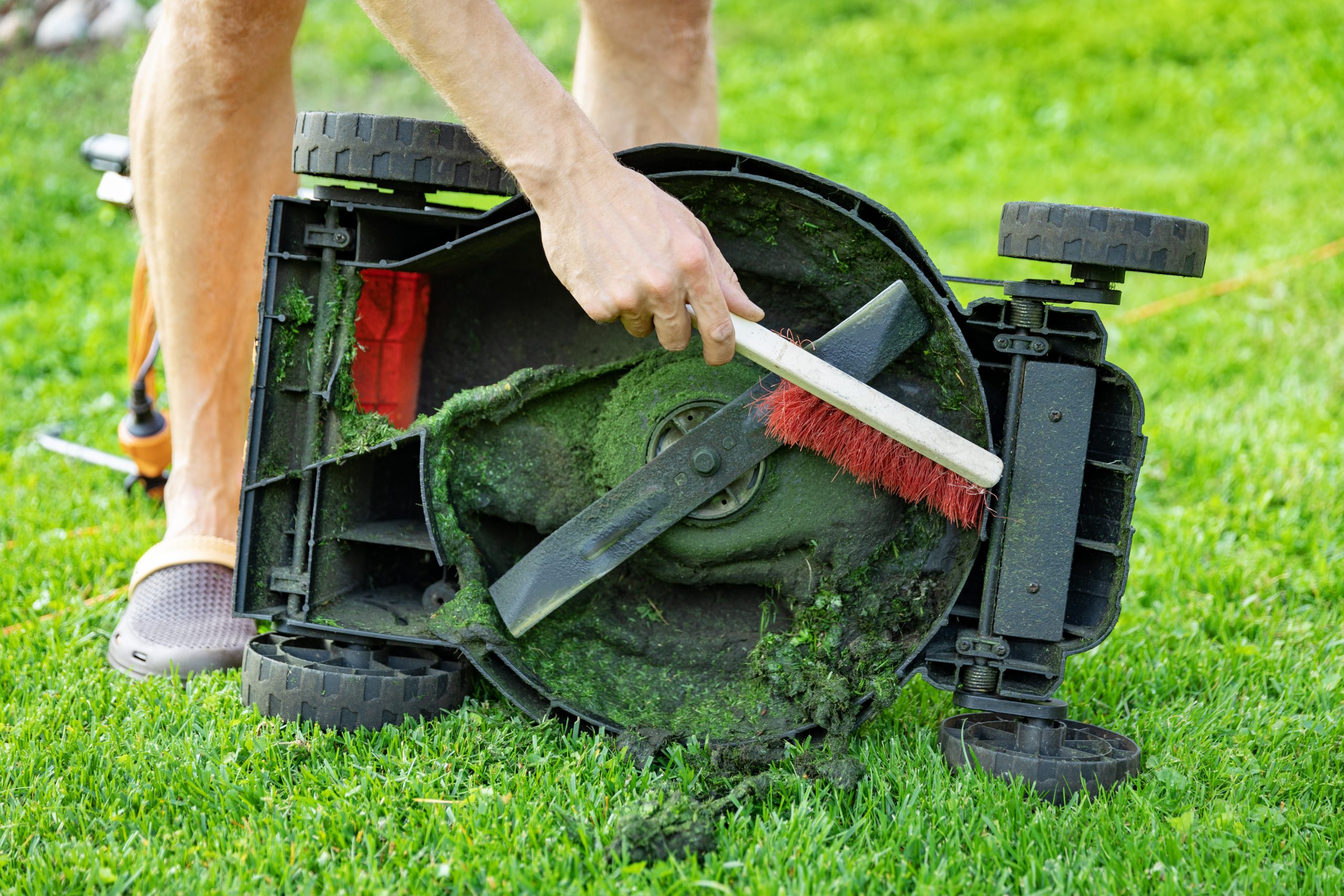
Before putting your garden machinery away for winter, it’s worth carrying out a few basic checks to keep everything in good condition.
Clean Away Grass, Dirt, and Debris
Remove any grass clippings, soil, and debris from your equipment. Pay particular attention to cutting decks, blades, and hard-to-reach areas. Leftover dirt and moisture can encourage rust and corrosion during storage.
For more advice, see our guide to cleaning your garden tools →
Check for Damage and Worn Parts
Inspect your machinery for loose components, damaged cables, worn blades, and other signs of wear. Identifying problems now gives you time to arrange repairs or replacements before spring.
Lubricate Where Recommended
Some machinery requires lubrication to protect moving parts and prevent corrosion. Check which components need attention and use the lubricants specified by the manufacturer.
Follow the Manufacturer’s Storage Instructions
Different machines have different storage requirements, particularly when it comes to fuel, batteries, and engine maintenance.
Always switch off machinery and allow engines to cool before carrying out checks. Disconnect electric equipment from the mains, remove batteries where appropriate, and follow the manufacturer’s instructions for preventing accidental starting.
These simple preparations can help protect your machinery throughout winter.
How to Prepare Petrol Garden Machinery for Winter
Petrol-powered lawnmowers, hedge trimmers, chainsaws, and other garden machinery need particular attention before winter storage. One of the most important considerations is the fuel left in the tank.
Why Leaving Old Petrol in Machinery Can Cause Problems
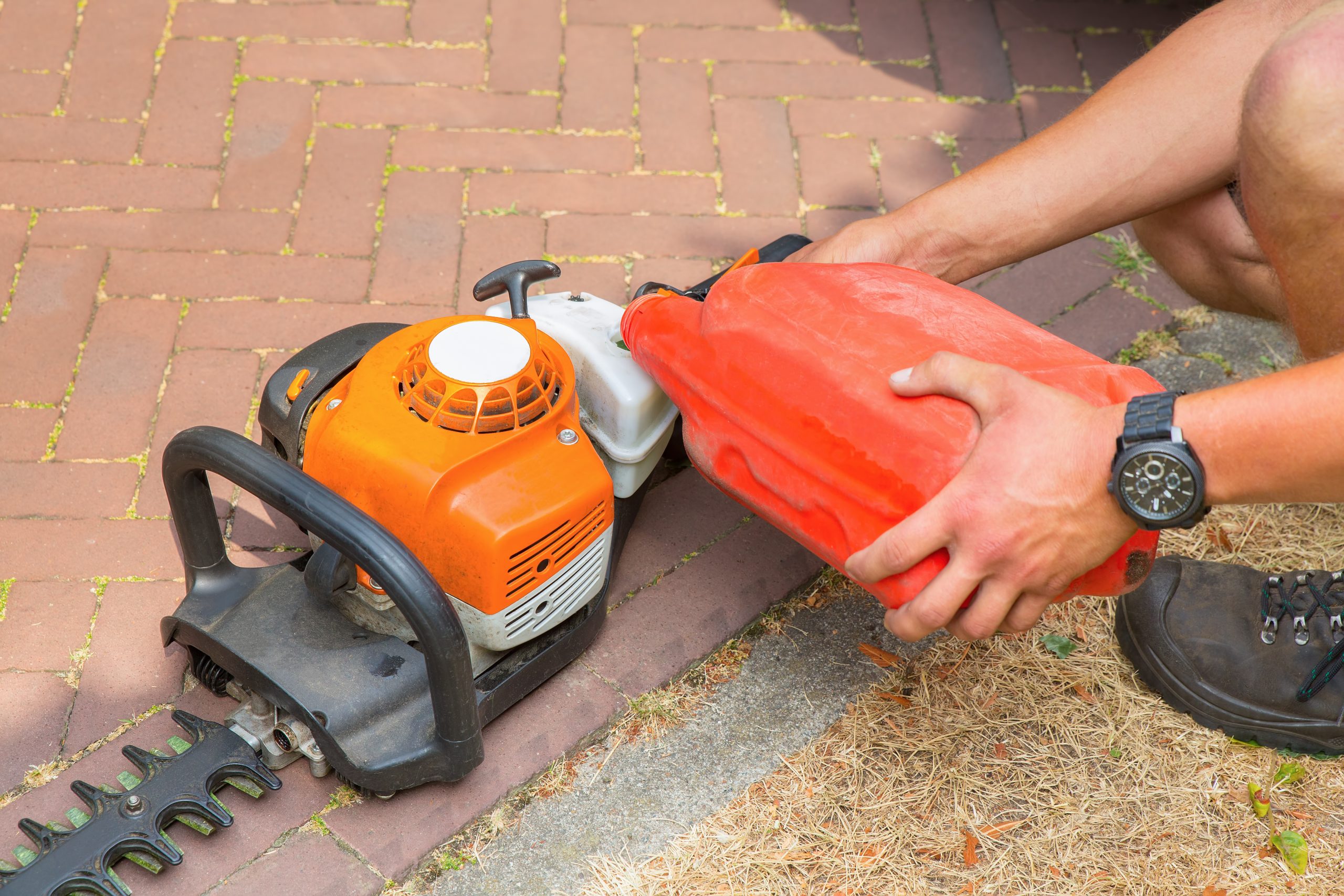
Ordinary pump petrol can begin to deteriorate within a matter of months. As fuel ages, it can leave deposits that affect the carburettor and fuel system, potentially making your machinery difficult to start when spring arrives.
Should You Drain the Tank or Use a Fuel Stabiliser?
Depending on the machine, manufacturers may recommend draining the fuel system before extended storage or adding a suitable fuel stabiliser to help keep petrol fresh.
Always follow your equipment manufacturer’s instructions, as storage requirements vary between engines. Never drain petrol near naked flames or ignition sources, and store any fuel in an approved, clearly labelled container in a safe, well-ventilated location.
How E5, E10, and Aspen Affect Storage Decisions
E5 and E10 petrol contain different proportions of ethanol, which can absorb moisture and contribute to fuel deterioration during storage. Your machine’s manufacturer should specify which petrol grades are suitable.
For more information, read our guide to E5 and E10 petrol in garden machinery →
Aspen alkylate petrol offers an alternative, with a shelf life of up to five years under suitable storage conditions. It’s available from our Stratford-upon-Avon store, contact us for details.
How to Store Different Types of Garden Machinery Over Winter
Different types of garden machinery have their own storage requirements. Here’s how to prepare your equipment for the colder months.
Lawnmowers
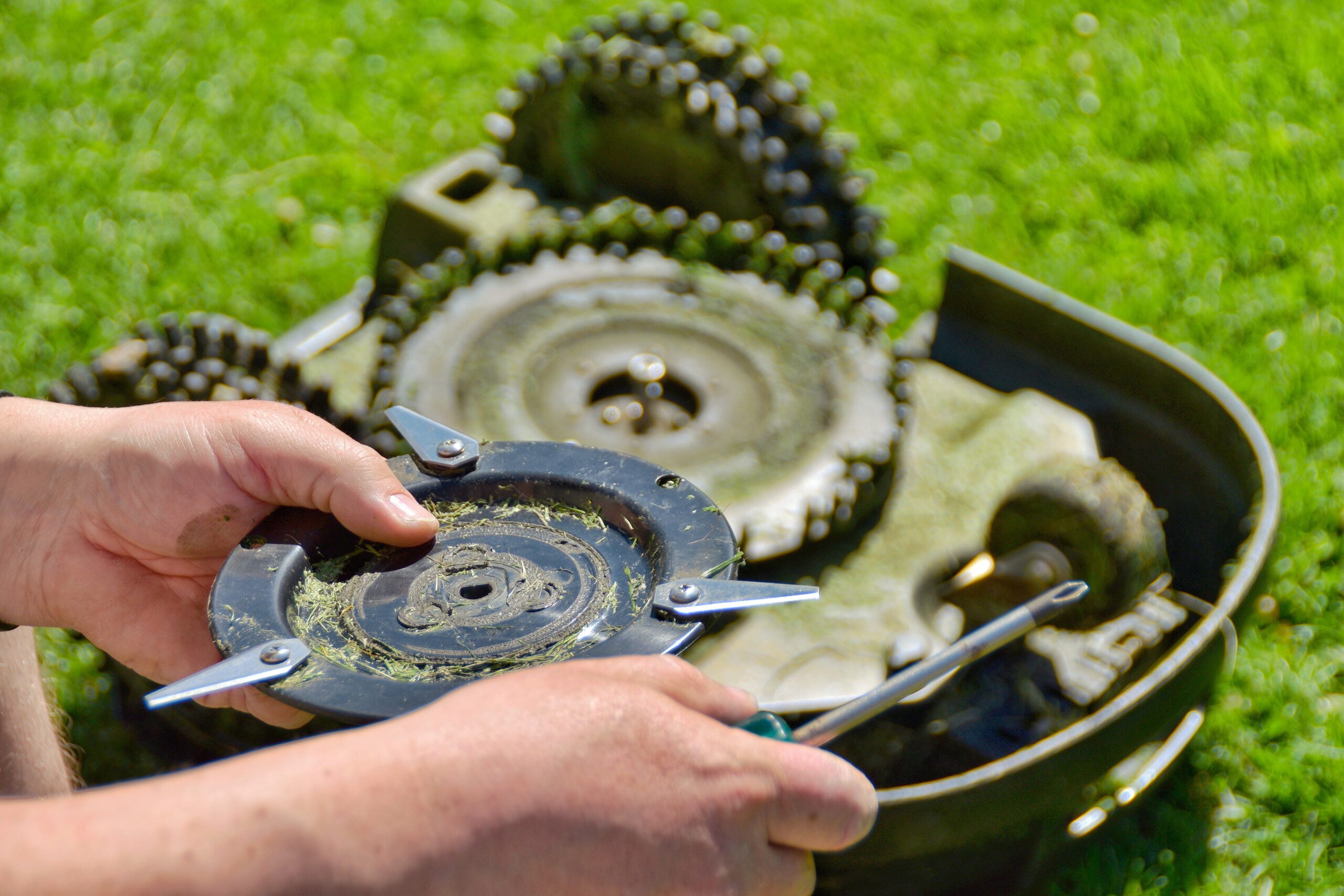
- Before storing your lawnmower, clean the cutting deck thoroughly. Grass clippings and trapped moisture can encourage corrosion. Check the blades for damage or wear, and arrange sharpening or replacement if needed.
- For petrol models, follow the manufacturer’s fuel storage recommendations. Keep your mower somewhere dry and sheltered, ideally on a level surface.
- Ride-on mowers may need additional attention, particularly to their tyres and batteries.
For more detailed advice, see our complete guide to lawnmower maintenance →
Hedge Trimmers and Strimmers
- Remove any remaining grass or debris from your hedge trimmers and strimmers, paying particular attention to the cutting components.
- Clean and lubricate hedge trimmer blades as recommended by the manufacturer to help prevent corrosion. Check strimmer heads and cutting lines for wear.
- For petrol-powered models, prepare the fuel system for storage. If your equipment uses removable batteries, follow the manufacturer’s storage recommendations.
- Keep your tools somewhere clean and dry.
Our hedge trimmer maintenance guide covers routine care in more detail →
Chainsaws
- Clean away any remaining sawdust and debris, particularly around the chain and guide bar. Inspect the chain for damage and check its tension before storage.
- Follow the manufacturer’s guidance on lubrication and preparing the fuel system. Chain oil may have separate storage requirements, so check these too.
- Fit the protective guide bar cover and store your chainsaw securely in a dry location, out of reach of children.
Robotic Lawnmowers
- Robotic mowers need particular attention during winter, especially when it comes to battery care.
- Clean your mower according to the manufacturer’s instructions, removing accumulated grass from the cutting area and wheels. Check the blades for wear and replace them if necessary.
- Follow the recommended charging and battery storage procedures for your model. Some charging stations may also need to be brought indoors or protected from winter weather.
The Sims team offers professional robotic mower servicing and winter storage, including cleaning and battery checks. This is a reliable option if you’d prefer your mower to be looked after professionally until springtime.
How to Look After Garden Machinery Batteries Over Winter
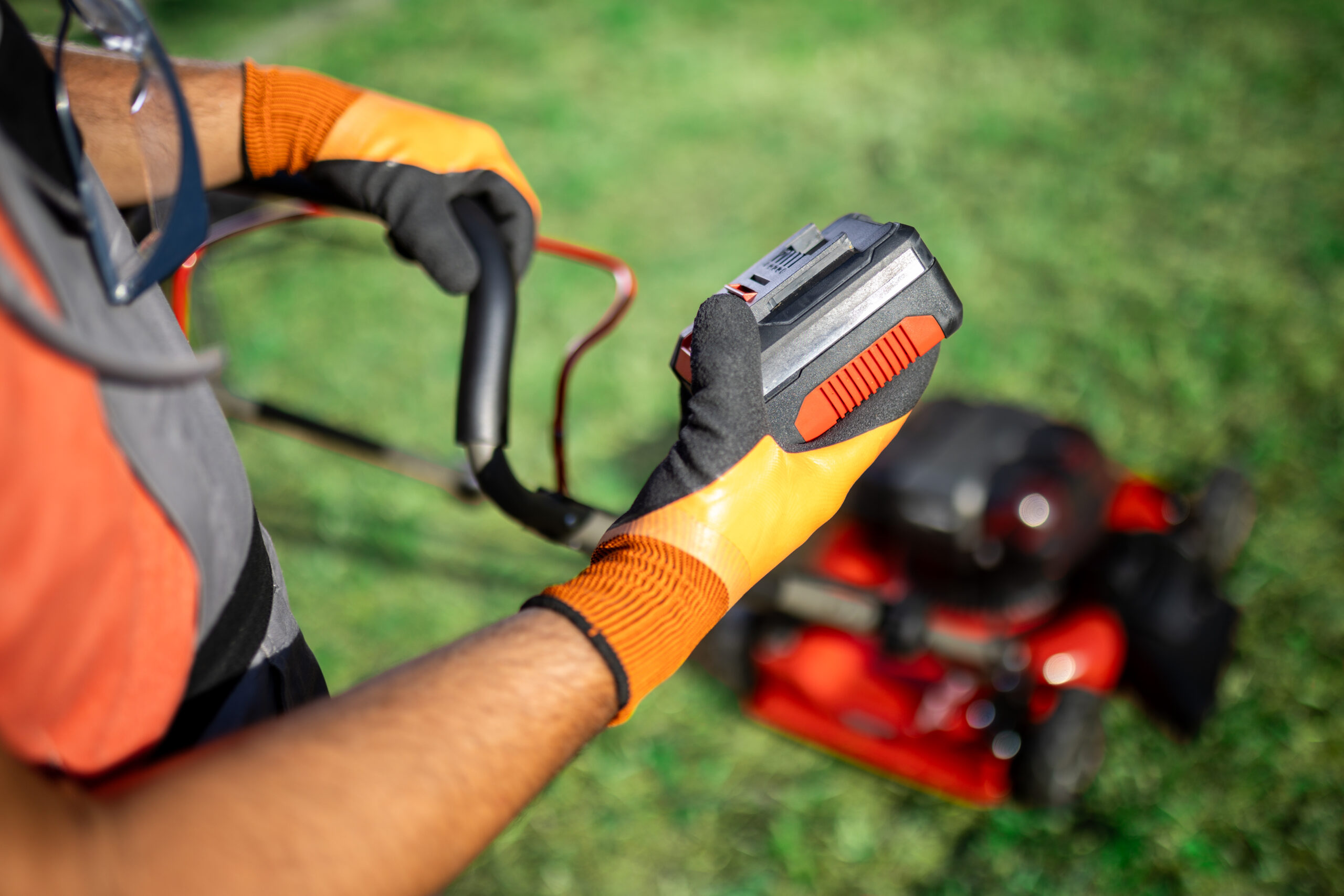
Cold temperatures and incorrect storage can affect battery performance, so it’s worth taking a few precautions before putting your cordless garden machinery away for winter.
Where possible, remove batteries from your equipment and store them separately in a dry location, away from freezing temperatures and direct heat. Avoid leaving batteries in damp sheds or garages where conditions can fluctuate considerably.
Check manufacturer’s charging guidelines before storage. Some batteries should be partially charged, while others have different requirements. It’s also worth checking whether periodic charging is needed during extended periods of inactivity.
Is Your Battery Inaccessible?
For ride-on and robotic lawnmowers with built-in batteries, follow the manufacturer’s specific winter storage instructions. These may include charging or maintenance requirements to prevent the battery from deteriorating.
Where Should You Store Garden Machinery Over Winter?
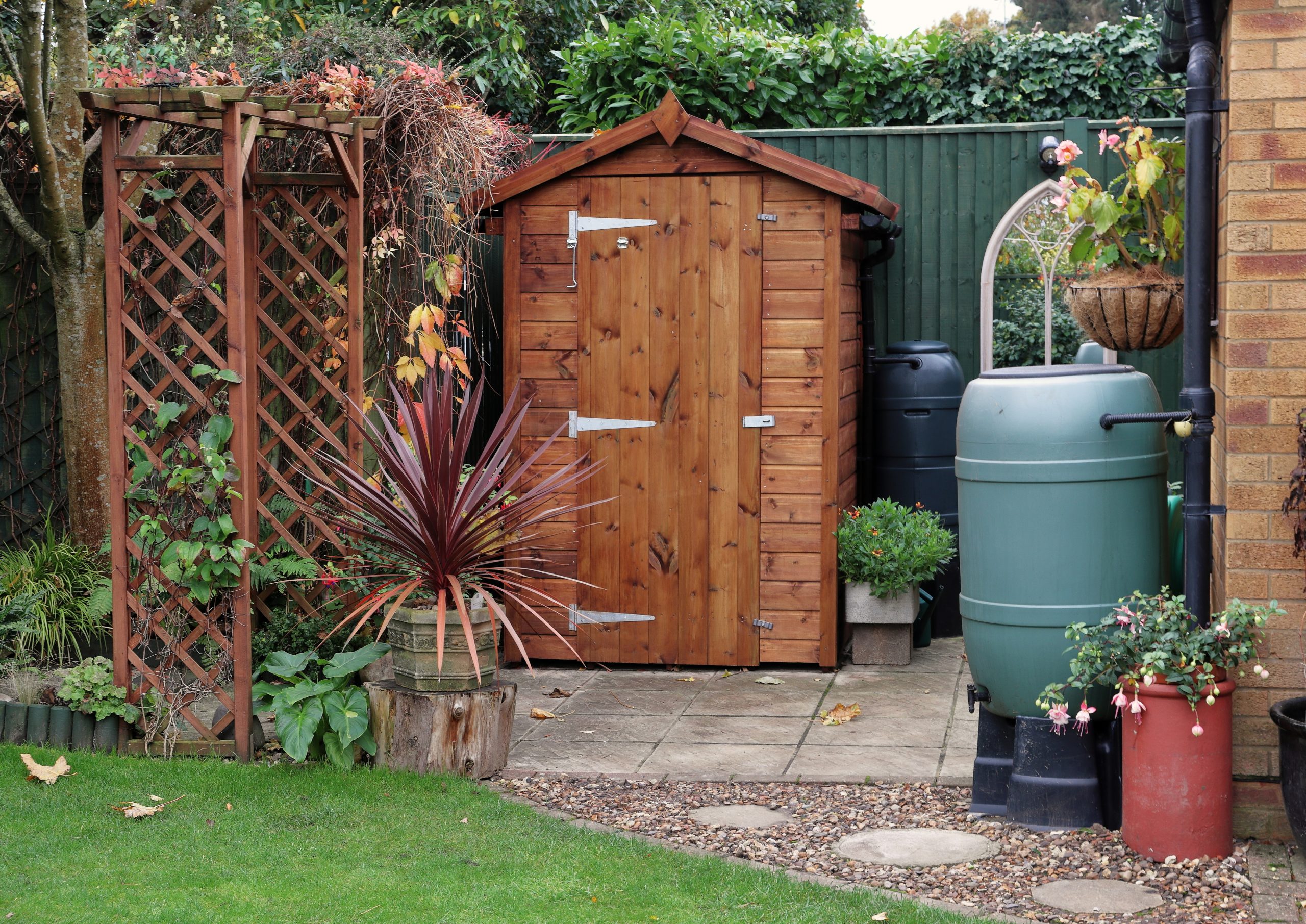
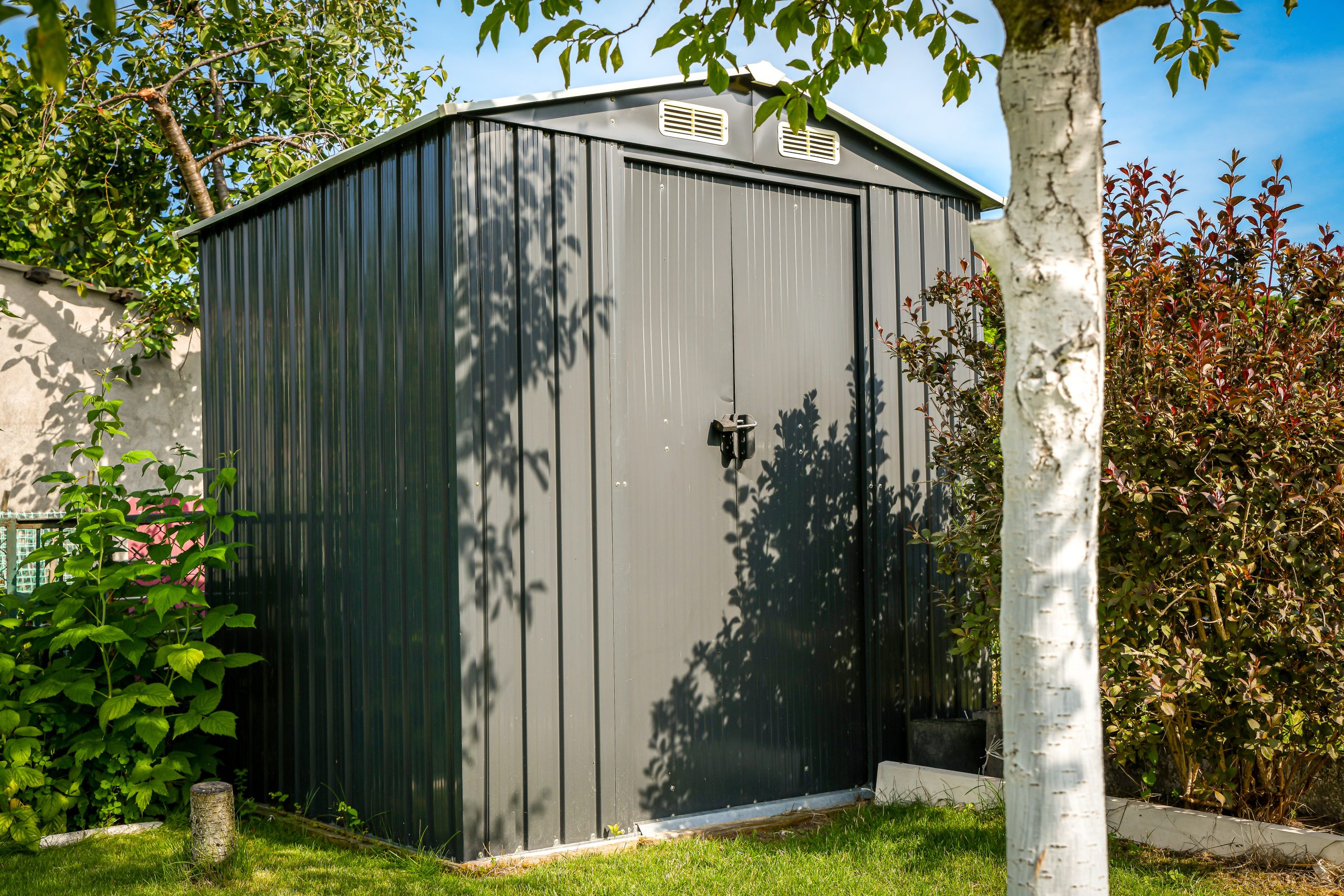
A dry and secure shed or garage is generally the best place to store garden machinery over winter. Avoid damp areas where moisture can build up and cause rust or damage to electrical components.
Keep machinery on a stable and level surface, following the manufacturer’s instructions for correct positioning. Protective covers can help keep dust and dirt off your equipment, but choose breathable materials to avoid trapping moisture.
Remember: fuel and batteries may have different storage requirements from the machinery itself. Petrol should be kept in approved containers, away from heat and ignition sources. Removable batteries may need a more temperature-controlled environment.
Should You Service Garden Machinery Before Winter?

Winter is a good time to arrange servicing, particularly if your garden machinery has been working hard throughout the year.
A professional service can identify worn components and address existing faults before they develop into more costly problems. It also means your equipment is more likely to be ready when you need it again in spring.
Our experienced technicians provide servicing and repairs for a wide range of garden equipment at our Stratford-upon-Avon workshop. We also offer blade sharpening for lawnmowers, hedge trimmers, and chainsaws to help keep your machinery cutting effectively.
If your equipment is due for maintenance or hasn’t been running as it should, consider booking professional garden machinery servicing before the next gardening season begins.
Winter Garden Machinery Storage FAQs
Can I leave petrol in my lawnmower over winter?
Leaving untreated petrol in your lawnmower for several months can cause starting problems as the fuel deteriorates. Depending on your machine, the manufacturer may recommend draining the fuel system or using a suitable stabiliser.
Our dedicated guide covers the dos and don’ts in more detail →
How long can garden machinery be stored without use?
Garden machinery can generally be stored for several months if properly prepared. The recommended storage procedures depend on the equipment, particularly its fuel system and battery type.
Always follow the manufacturer’s instructions.
Should I remove batteries before winter storage?
For equipment with removable batteries, it’s generally advisable to take them out and store them somewhere dry and protected from extreme temperatures.
Check manufacturer’s manual for charging and storage conditions.
Is it safe to store garden machinery in a shed?
Yes, provided the shed is dry, secure, and suitably ventilated. Protect your machinery from moisture and ensure any petrol is stored safely in approved containers, away from ignition sources.
Should I service my lawnmower before storing it?
Winter is a convenient time to arrange a service, particularly if your mower has developed faults or is due for maintenance. Booking professional garden machinery servicing can help identify problems before you need your mower again in spring.
Get Your Garden Machinery Ready for Next Season

A little preparation before winter can help prevent damage and keep your garden machinery in good working condition for spring.
If your equipment needs attention, our Stratford-upon-Avon workshop can help with servicing and repairs.


