



Soil Compaction Explained – How to Improve Soil Health for a Stronger Lawn

A healthy lawn starts with the soil beneath it. When lawns struggle, the cause is often underground. Soil compaction is one of the most common – and most overlooked – reasons grass fails to thrive. This guide explains what soil compaction is, how it affects lawn health, and the practical steps you can take to prevent it.
What Is Soil Compaction?
Soil is made up of mineral particles, organic matter, water, and air. In healthy soil, small pore spaces allow roots to grow and oxygen and water to move freely. Soil compaction occurs when repeated pressure forces particles closer together, reducing that space. As oxygen is squeezed out and movement below the surface is restricted, the soil becomes dense, limiting root development and overall lawn performance.
Signs Your Lawn Is Suffering From Compacted Soil
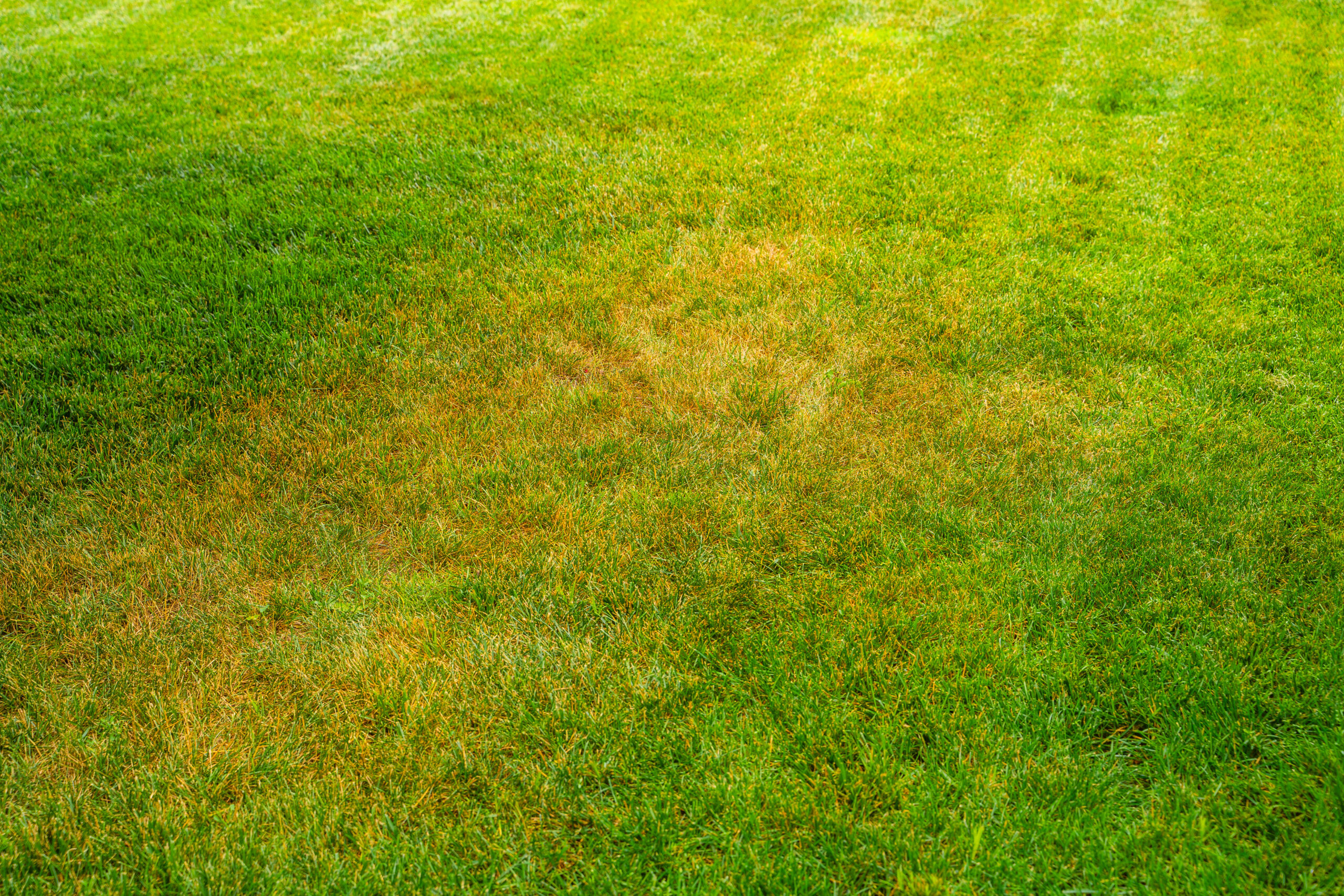
Compacted soil often shows itself through surface-level problems that are easy to misdiagnose. Water may pool or run off instead of soaking in, even after light rainfall. Some areas can appear dry despite regular watering, while grass becomes thin, uneven, or dull in colour.
Below the surface, the impact is more severe. Dense soil prevents roots from growing downwards, forcing them to spread shallowly near the surface. This limits access to moisture and nutrients, leaving grass weaker and less resilient.
Common signs include:
- Water pooling or poor drainage
- Dry patches during warm weather
- Thinning grass and poor colour
- Shallow root systems
- Reduced nutrient uptake
Catching these signs early makes soil recovery far easier.
The Impact of Soil Compaction on Grass, Roots, and Microbiology
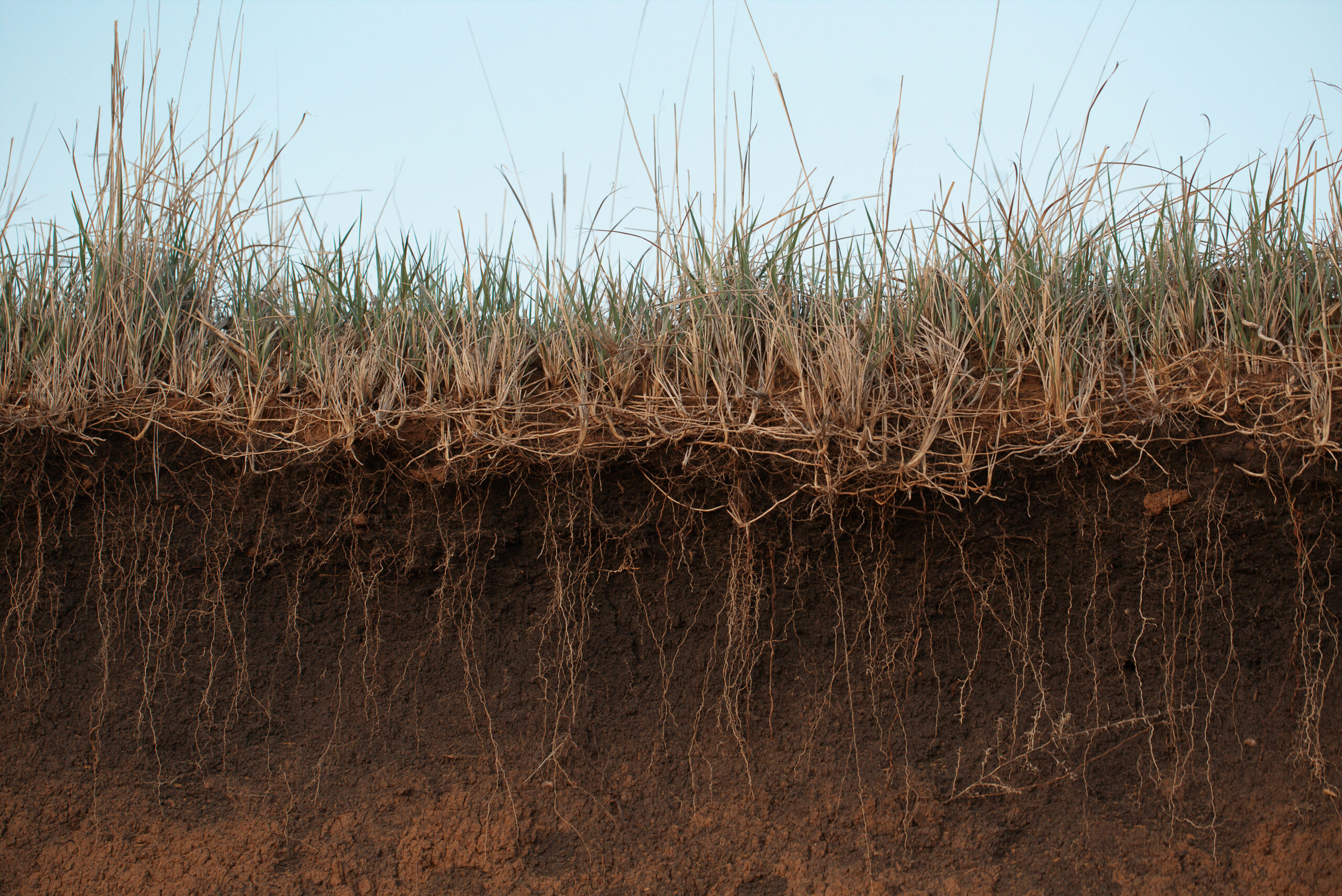
When soil becomes compacted, grass is placed under constant stress. Restricted airflow and poor water movement limit root function, slowing growth and weakening recovery. Compaction also disrupts soil biology, as beneficial microorganisms depend on oxygen to release nutrients. As activity declines, nutrient availability falls.
Left untreated, shallow roots struggle in dry conditions, worn areas recover slowly, and lawns become more prone to disease.
What Causes Soil Compaction In Gardens and Lawns?
Soil compaction rarely has a single cause. In most gardens, it develops gradually through everyday use. Regular foot traffic is a major contributor, particularly along familiar walking routes. Children playing and pets running across the lawn add further pressure, especially on softer ground.
Garden machinery also contributes, particularly when used frequently or on damp soil. Repeated mowing along the same lines compounds the issue by applying pressure in consistent patterns, which gradually compress the soil beneath the surface.
How Mower Design Influences Soil Health
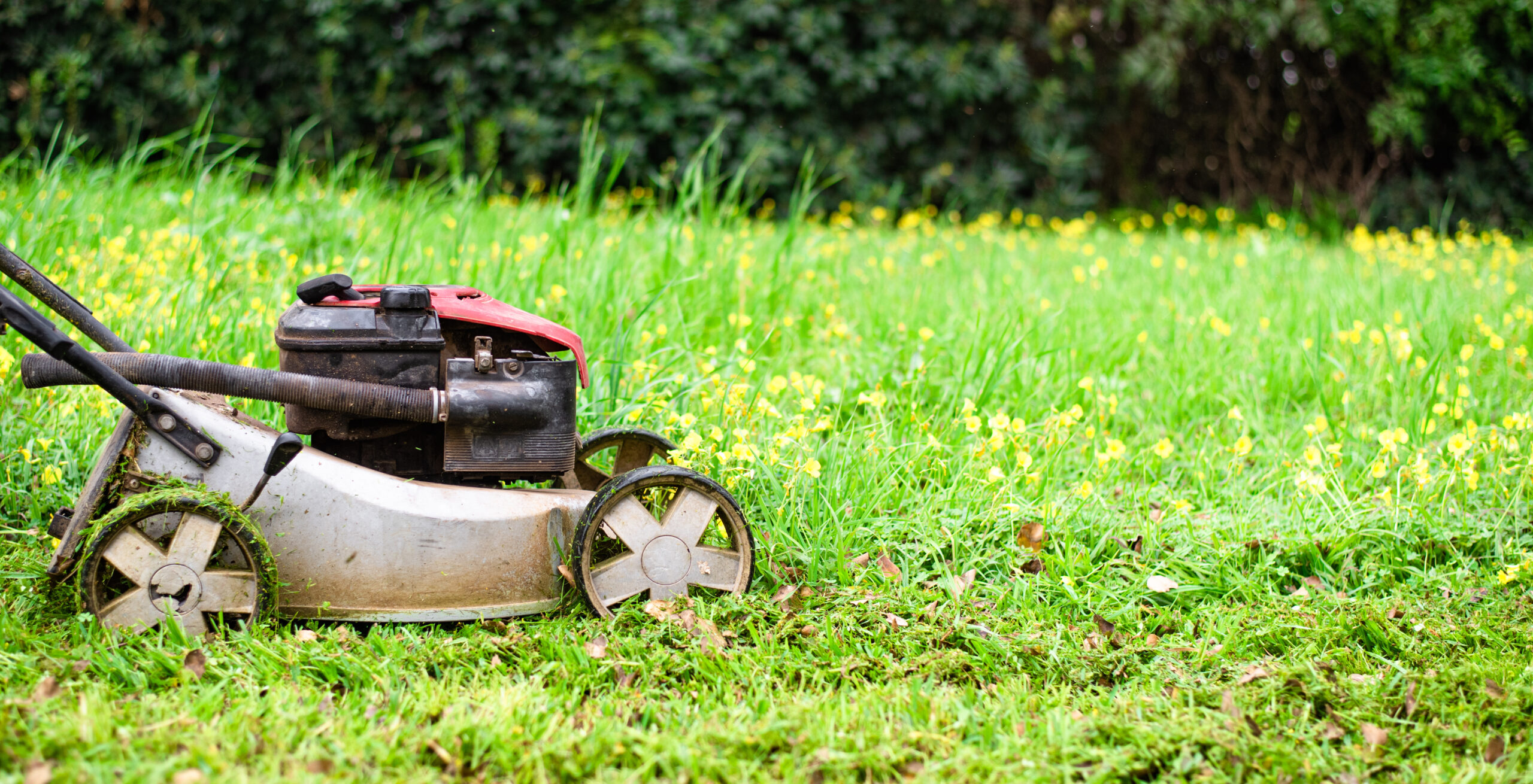
All mowers place weight onto the ground, but the way that weight is distributed makes a significant difference. Traditional wheel-based mowers concentrate load through narrow tyres, compressing the same areas with every pass.
By contrast, designs that spread weight across a wider surface area apply less concentrated pressure. Because mowing is a repeated task, these differences in weight distribution become increasingly important over the course of a growing season.
The 5 Best Ways to Prevent Soil Compaction
- One of the simplest steps is to vary your mowing routes. Changing direction spreads weight more evenly and avoids compacting the same lines week after week.
- Mowing when the soil is wet makes it far more vulnerable to compression, as moisture allows particles to press together more easily. Waiting until the ground has dried helps protect soil structure and drainage.
- Cutting grass too short weakens plants and exposes soil, increasing stress and evaporation. Slightly longer grass shades the surface and supports stronger root growth.
- Periodic aeration plays an important role in relieving existing compaction. By creating small channels in the soil, aeration improves airflow and water movement – helping roots grow deeper and stronger.
- Finally, consider the equipment you use. Machinery that distributes weight evenly and moves smoothly across the lawn places less strain on the soil, supporting healthier conditions over time.
How Roller Mowers Support Healthier Soil and Stronger Lawns

Roller mowers help reduce soil compaction by applying pressure more evenly across the lawn. Instead of concentrating weight through narrow wheels, a rear roller spreads the load over a wider contact area. This reduces pressure points and helps preserve the soil’s natural structure beneath the surface.
With less surface compaction, water can infiltrate the soil more consistently rather than pooling or running off. Moisture reaches the root zone more effectively, supporting steadier growth during dry periods and reducing stress on the grass.
Design Features That Make a Difference
A steel rear roller maintains constant contact with the ground, spreading pressure evenly while also creating a striped finish without narrow compression tracks. Adjustable cutting heights allow grass to be kept at a healthier length, helping shade the soil surface and support stronger root growth. Stable deck designs promote smoother movement, reducing uneven pressure and allowing grass to recover more quickly after mowing.
Long-Term Lawn Benefits
Over time, reduced surface pressure encourages deeper root development. Deeper roots improve access to water and nutrients, resulting in lawns that are more resilient, recover faster from wear, and maintain a more consistent appearance throughout the growing season.
Find the Right Roller Mower for Your Lawn
Explore our range of roller mowers, selected to support healthier soil and consistent lawn performance. We offer UK-wide delivery, full assembly, and a clear demonstration on arrival, along with expert, impartial advice to help you choose equipment that suits your lawn and how you use it.
Frequently Asked Questions on Soil Compaction
What is the fastest way to relieve compacted soil?
Aeration is one of the most effective ways to relieve compaction. By creating small openings in the soil, aeration allows air, water, and nutrients to reach the root zone more easily, helping grass recover and roots grow deeper.
Does mowing contribute to soil compaction?
Yes, repeated mowing can contribute, especially when the same routes are used or when mowing takes place on wet ground. Mower design and how weight is distributed across the lawn also play an important role.
Can soil compaction be prevented completely?
While it’s difficult to eliminate entirely, soil compaction can be significantly reduced through good lawn care habits, periodic aeration, and choosing equipment that treats the soil gently.
How long does it take to improve compacted soil?
Improvement is gradual. With consistent care, reduced pressure, and better airflow, most lawns begin to show healthier growth within a single growing season.


