



How To Choose The Right Lawnmower: A Complete Buying Guide

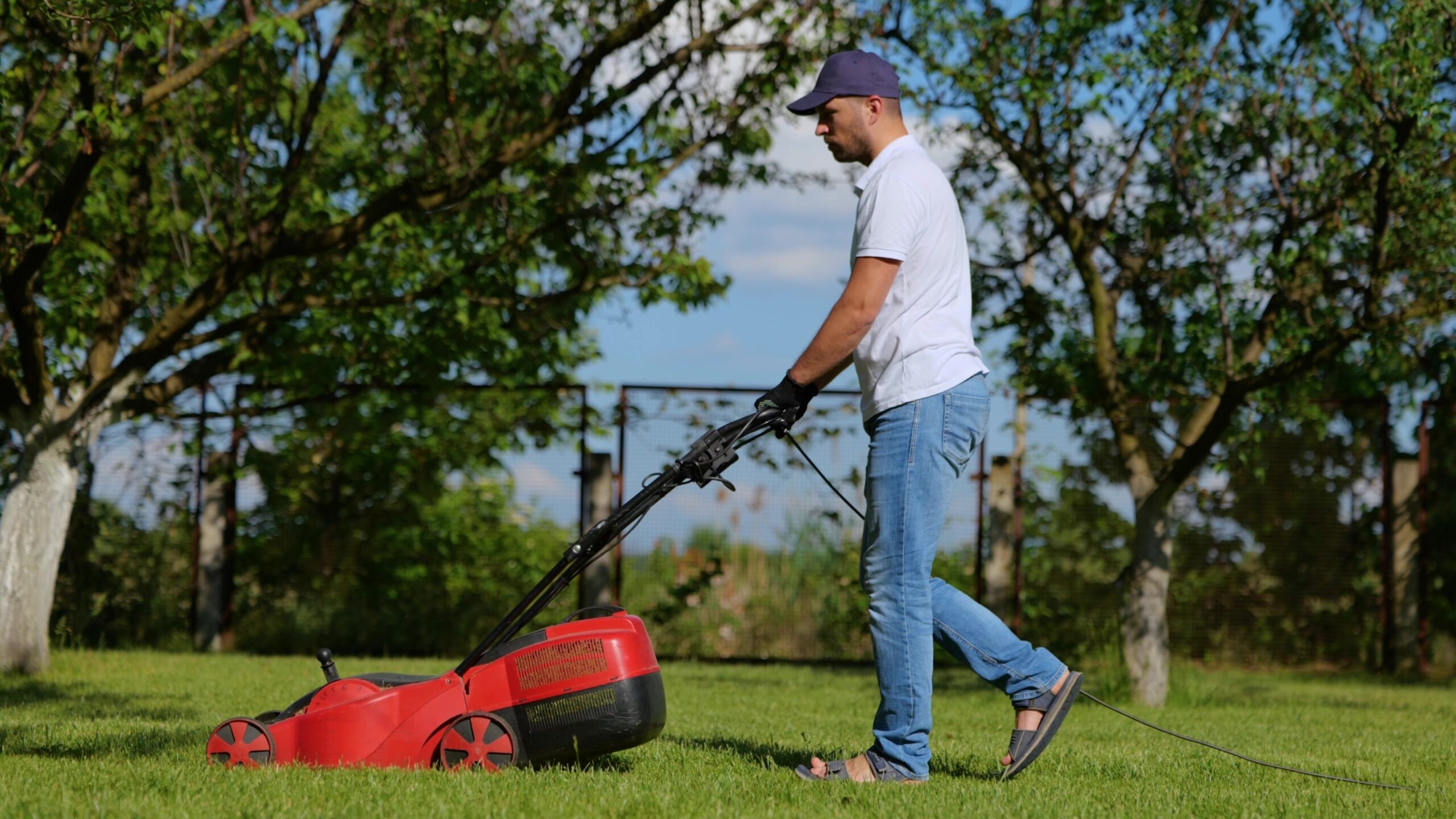
Choosing a lawnmower shouldn’t be complicated, but it often is, because most advice leans heavily on specs and features rather than how these machines actually feel to use. Reality is, the ‘best’ mower isn’t the most powerful or the most advanced. It’s the one that suits your lawn, your time, and how much effort you want to put in. Get those right, and everything else becomes much easier.
The 3 Things That Matter Most When Choosing A Lawnmower
Most decisions come back to three things:
- Lawn size is the obvious starting point. A small garden doesn’t need a large, heavy machine – and using one will just make mowing more of a chore. Larger lawns, on the other hand, benefit from wider cutting widths and more consistent power if you don’t want to spend your whole weekend going back and forth.
- Terrain matters more than people expect. Flat lawns are straightforward. Slopes, bumps, and uneven patches aren’t. A mower that feels fine on level ground can quickly become hard work when you’re dealing with gradients or awkward corners.
- Then there’s how you actually want to maintain your lawn. Some people just want it done quickly and tidily. Others care about finish: stripes, consistency, that well-kept look. Be honest about which camp you’re in, because it directly affects what you should buy.
Common Mistakes To Avoid When Buying A Lawnmower
A number of common issues arise when these factors are overlooked:
- Focusing too heavily on power is one of the most frequent. Higher power is not always necessary and can result in a heavier, less manoeuvrable machine than required.
- Lawn size and layout are also sometimes underestimated. A mower may appear suitable on paper but prove less practical when used around tighter spaces or obstacles.
- Price can be misleading as well. Lower-cost machines often involve compromises in build quality and long-term performance, which can become apparent after regular use.
- Ease of use is another factor that tends to be underappreciated. Weight, handling, and general usability all have a noticeable impact over time, particularly for larger gardens or frequent mowing.
Types Of Lawnmower Explained (And Who They’re For)
Walk-Behind Mowers
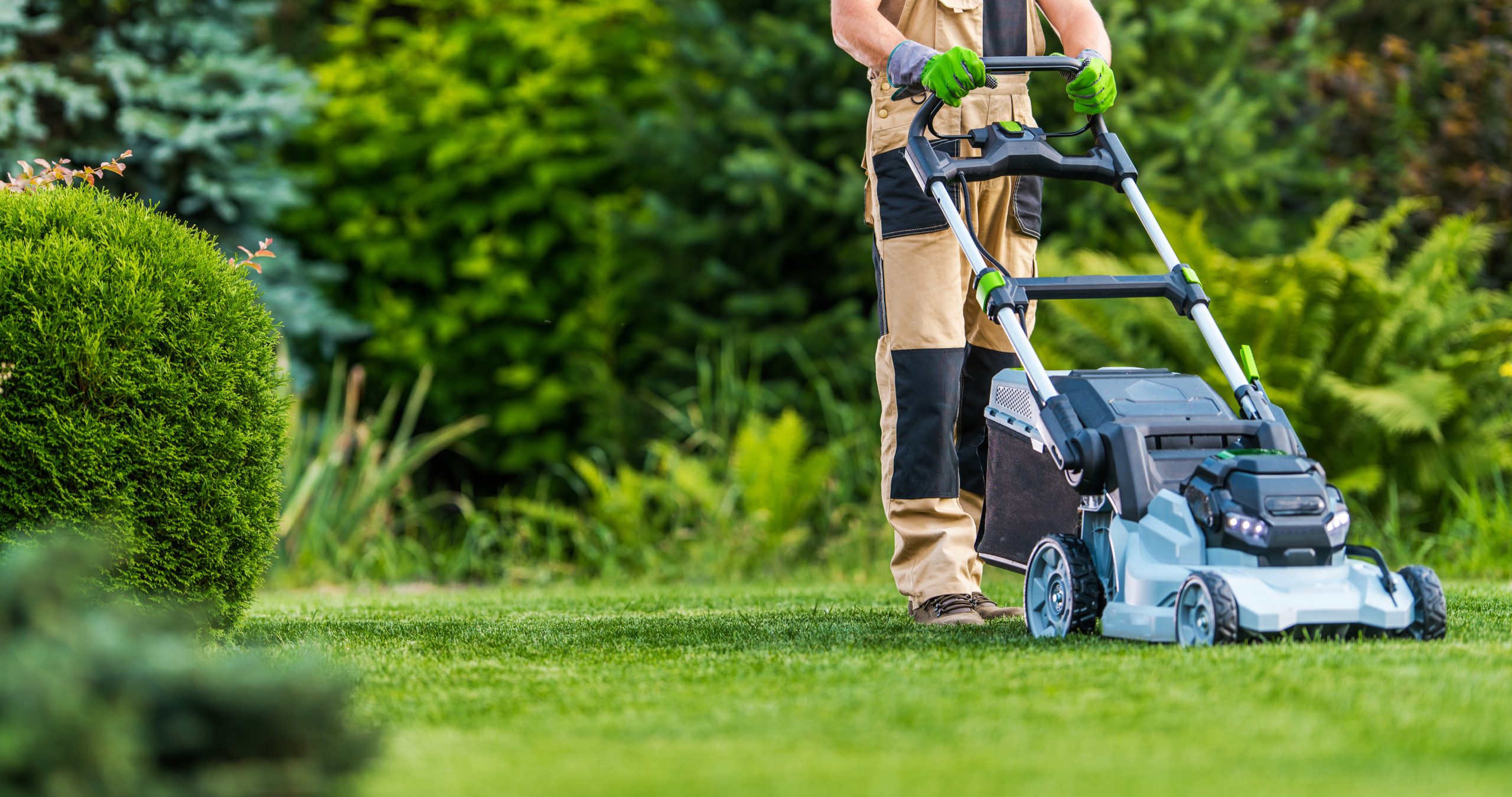
For most gardens, this is where you’ll land. Rotary mowers are the standard choice. They’re versatile, handle slightly rougher grass, and don’t require perfect conditions to work well. Cylinder mowers are more specialised. They give that clean, striped, almost ‘bowling green’ finish – but they’re best suited to well-maintained lawns. If your grass gets long or uneven, they’re less forgiving.
Power Types
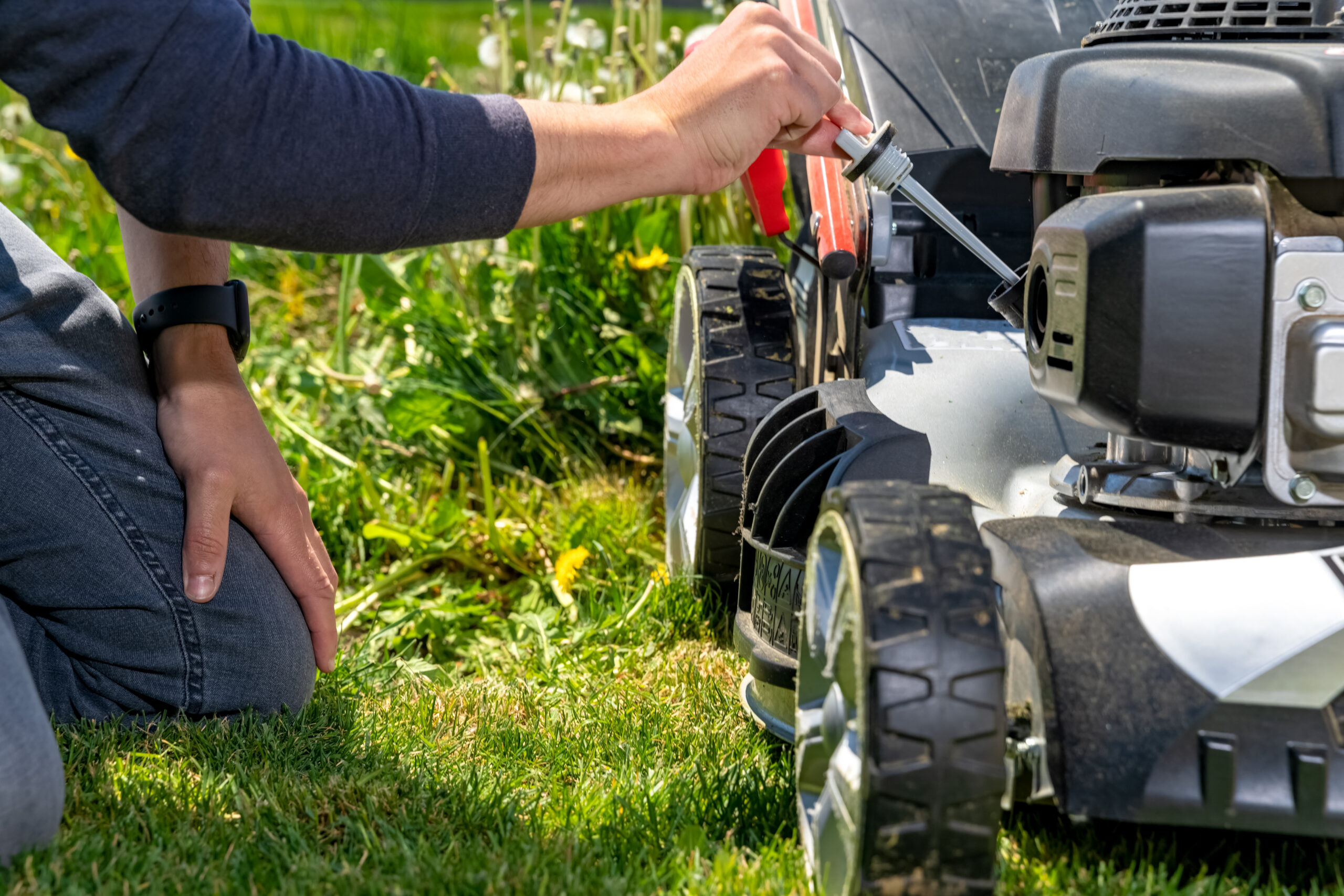
This is where the decision often gets overcomplicated.
Petrol mowers are still the go-to for larger lawns. They’re powerful, don’t rely on cables or charging, and can handle longer grass without struggling. The trade-off is weight, noise, and a bit more maintenance. Whereas, electric (corded) mowers are simple and lightweight. They’re easy to store and start instantly – but the cable can become a nuisance, especially in anything but a small, open space.
Battery-powered mowers sit somewhere in the middle. They’re quieter, easier to handle, and far less hassle than petrol. For most typical gardens, they now offer more than enough power, which is why they’ve become the default choice for many homeowners we’ve spoken to.
Advanced Options
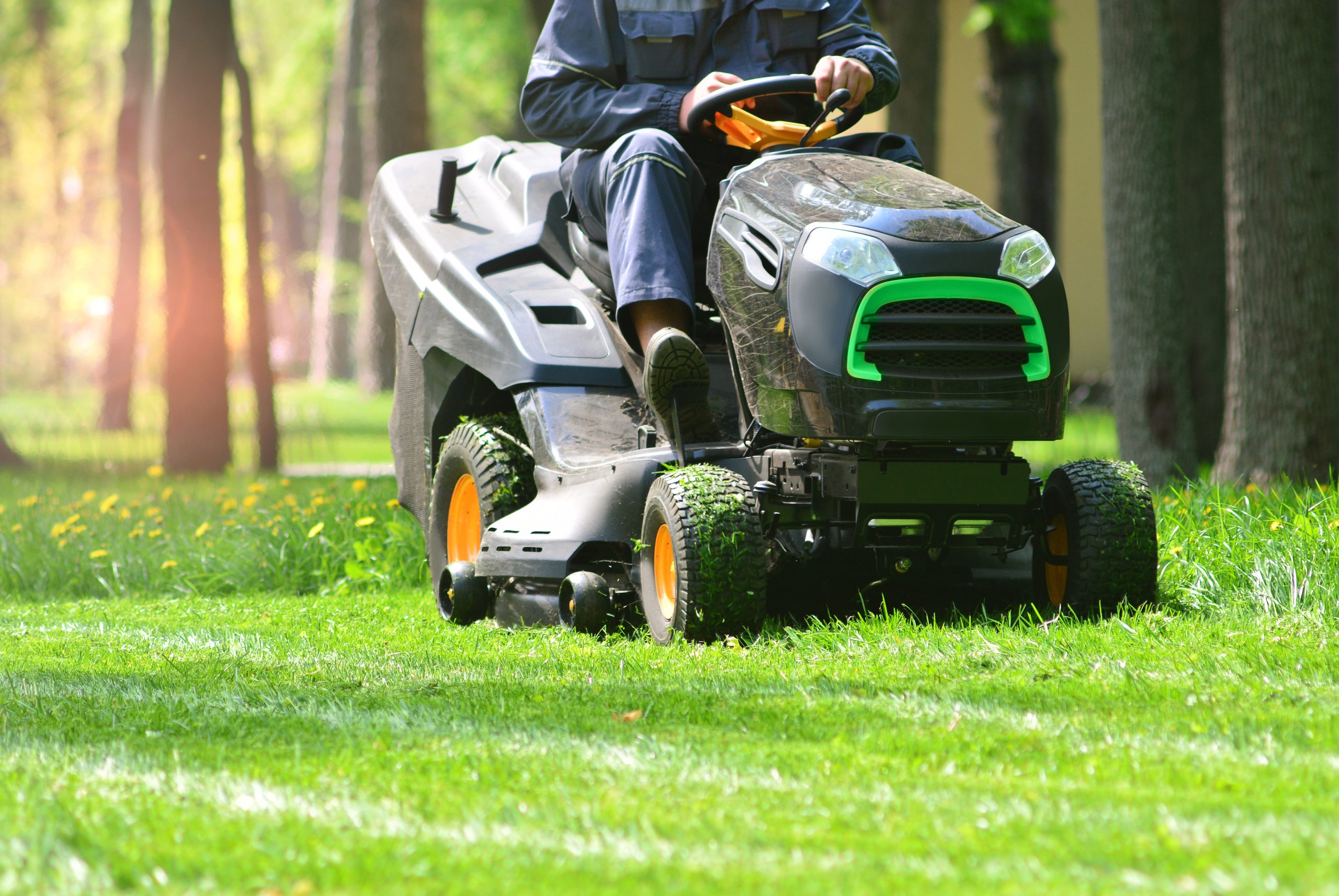
If you’ve got more land or a more complex layout, it’s worth looking beyond standard mowers.
- Ride-on mowers are built for large areas. They save a huge amount of time and effort if walking the lawn isn’t practical.
- Zero-turn mowers take that a step further, making it easier to navigate around obstacles, trees, and tighter spaces.
- Robotic mowers are a different approach altogether. Once set up, they handle the lawn for you – quietly maintaining it in the background. They’re not for everyone, but for the right setup, they remove the job entirely.
Matching A Lawnmower To Your Lawn
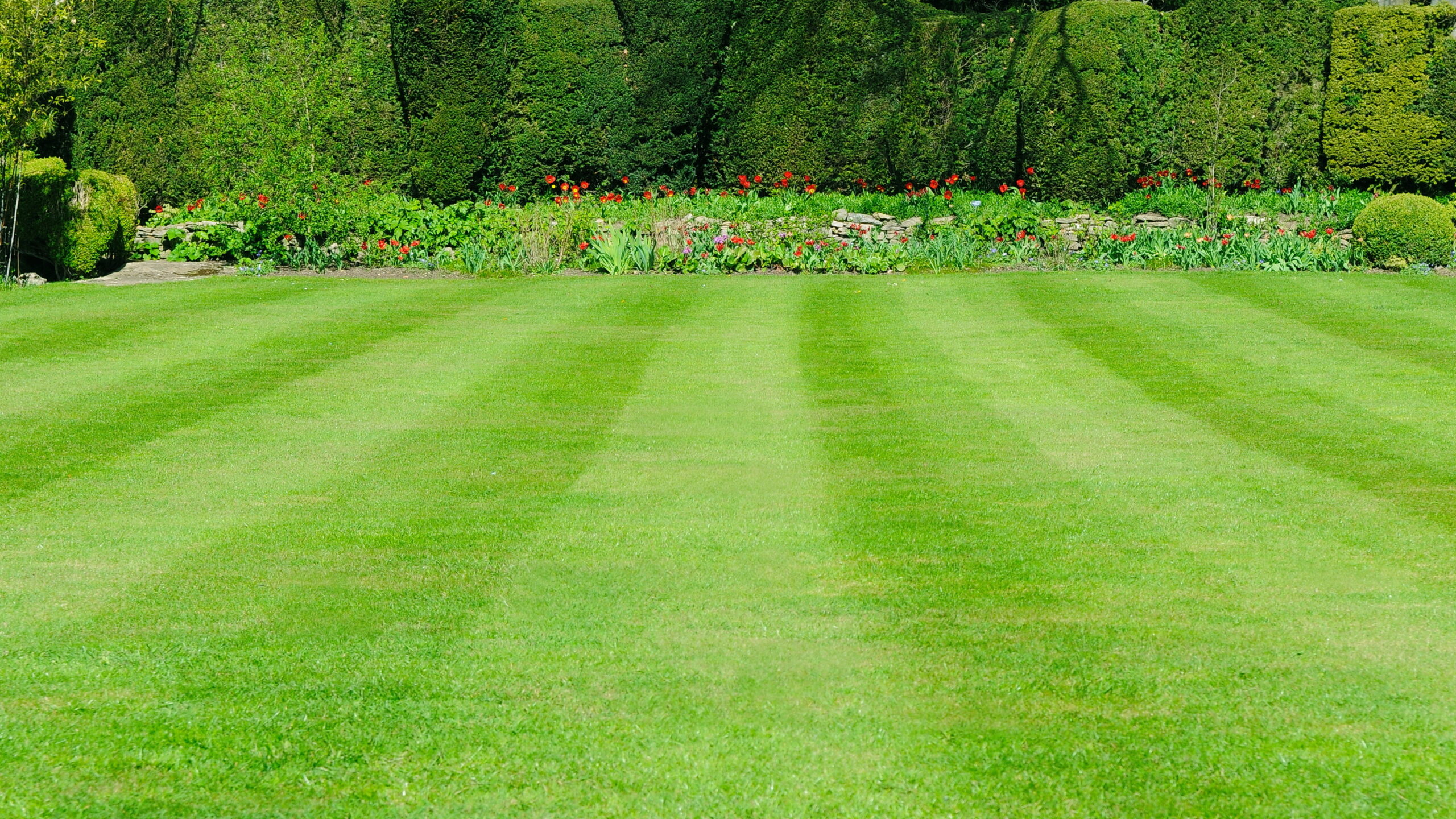
- If you’ve got a small urban lawn, a lightweight electric or battery mower will do the job with minimal effort. Easy to carry, easy to store, no unnecessary bulk.
- For a medium-sized garden, a walk-behind mower – often with a wider deck or self-propelled drive – makes things noticeably easier, especially if you’re mowing regularly.
- With larger lawns, petrol or ride-on mowers start to make more sense. It’s less about power for the sake of it, and more about covering ground efficiently without turning it into a long, tiring job.
- And if your lawn includes slopes, tight corners, or obstacles, handling becomes just as important as cutting ability. That’s where manoeuvrability and drive type really matter.
Key Features That Actually Matter
It’s easy to get caught up in long spec lists, but only a few things genuinely affect day-to-day use:
- Cutting width determines how quickly you can get the job done. A wider deck means fewer passes.
- Cutting height has a direct impact on lawn health. Cutting too short weakens the grass, especially in warmer months. Having flexible height settings makes it easier to adjust as conditions change.
- Drive type affects how much effort is involved. Push mowers give you more control, but self-propelled models take a lot of strain out of larger lawns or sloped areas.
- And then there’s grass handling. Collection keeps things neat, while mulching returns nutrients back into the lawn. This choice depends on whether you prioritise appearance or long-term lawn health.
Petrol, Electric, or Battery – Which Should You Choose?
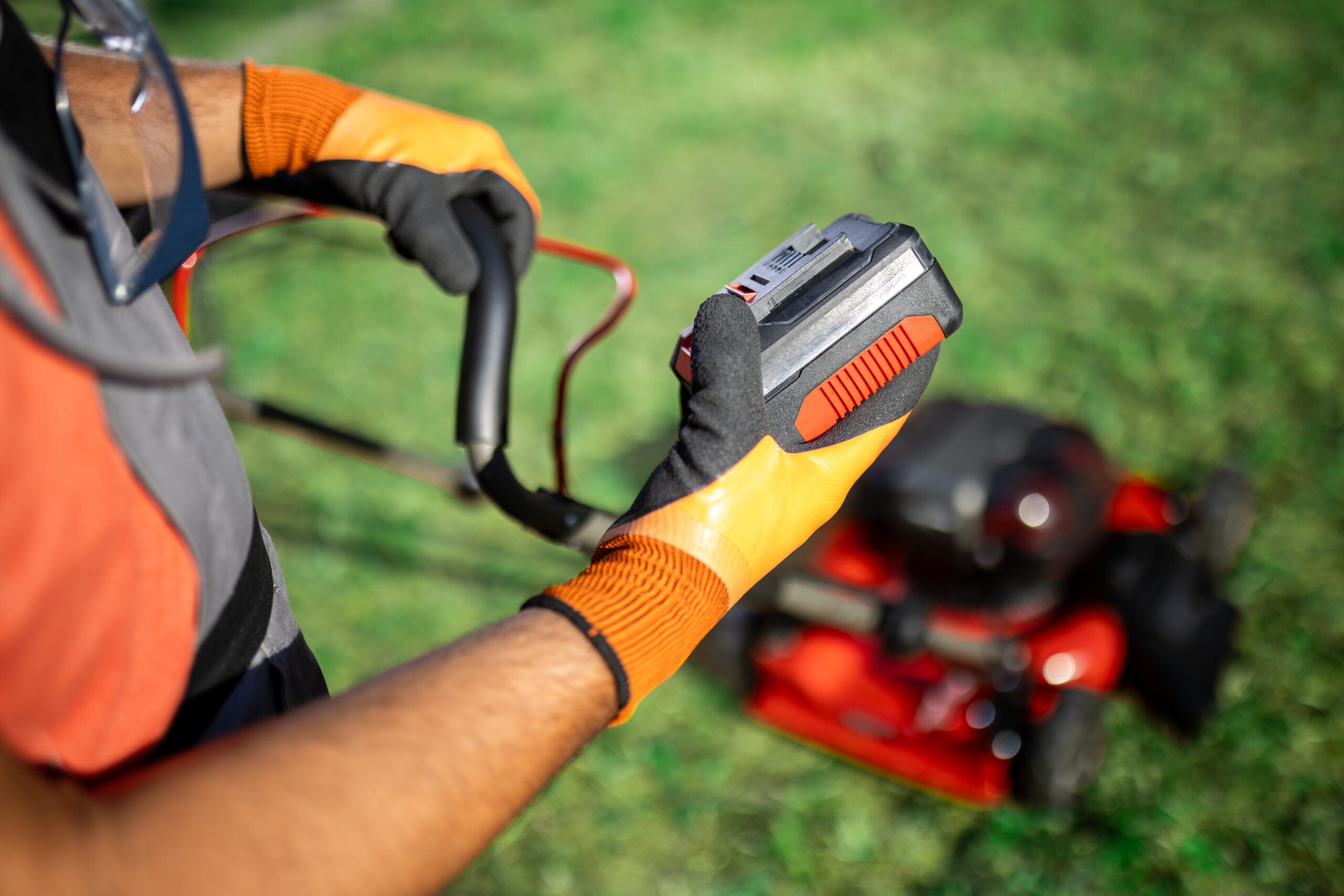
The right power type depends on how you use your mower. Petrol still makes sense for large lawns and heavier workloads. It’s consistent, powerful, and doesn’t run out halfway through. Then electric models tend to work best for smaller, simple gardens where the cable won’t constantly get in the way.
Battery mowers are now the most flexible option for most people. They’re easy to use, quieter, and require far less upkeep – without sacrificing much in terms of performance for typical domestic use. For many homeowners, they strike the best balance.
How Your Lawnmower Affects Lawn Health
- A sharp blade gives a clean cut, which helps the grass recover quickly. A blunt one tears at it, leaving it weaker and more prone to damage.
- Cutting height plays a big role too. Going too short might look tidy at first, but it stresses the lawn and makes it more vulnerable over time.
- Mulching can also help by feeding nutrients back into the soil, supporting more consistent growth.
The Right Lawnmower for You

At the end of the day, this is about choosing something that fits your lawn, feels right to use, and doesn’t make the job harder than it needs to be. Focus on size, terrain, and usability first. Everything else is secondary.
Need More Help Choosing?
If you’re still unsure, getting proper advice can make a big difference – especially when you’re trying to balance performance, ease of use, and long-term value.
Explore our full range of lawnmowers, with UK-wide delivery, full assembly, and a hands-on demonstration on arrival. We’ll help you choose something that actually works for your garden.
Frequently Asked Questions About Choosing A Lawnmower
What size mower do I need?
It depends on your lawn. Smaller spaces suit lightweight mowers, while larger areas benefit from wider cutting widths or ride-on models to save time.
Petrol vs battery – which is better?
Petrol is better for large, demanding lawns. Battery is more convenient and suits most everyday gardens.
How often should I mow?
Usually once a week during the growing season. Regular mowing keeps growth healthy and even.
Are expensive mowers worth it?
Often, yes – especially if you’re using it regularly. Better build quality and performance tend to pay off over time.


