



How to Achieve a Perfect Striped Lawn at Home

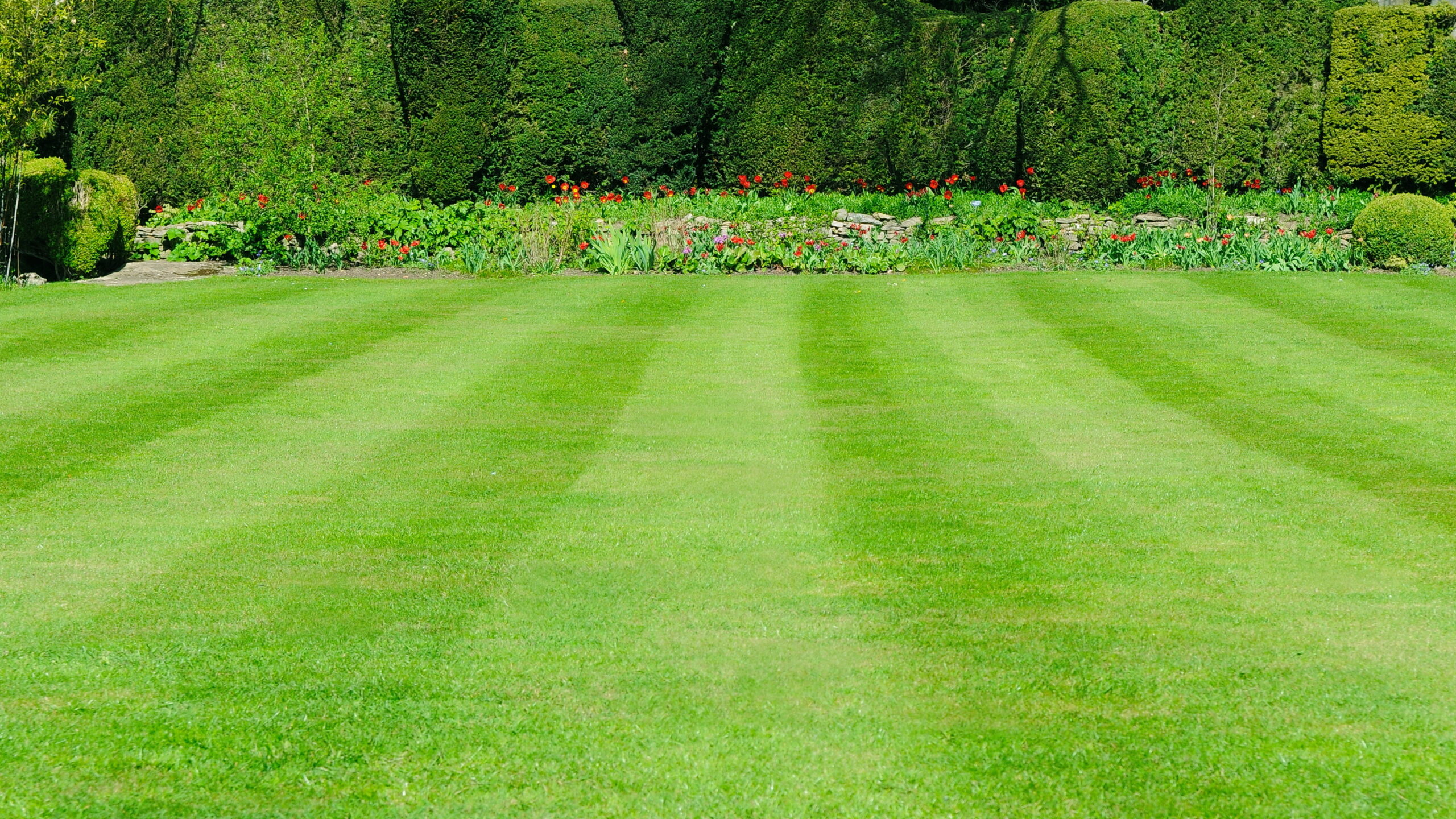
A striped lawn has long been a hallmark of well-kept gardens across the UK, adding structure, definition, and visual impact. While the finish looks impressive, achieving it isn’t about expensive equipment alone. This guide breaks the process down into clear, achievable steps, showing how you can create professional-looking stripes at home with the right approach.
What Creates Lawn Stripes?
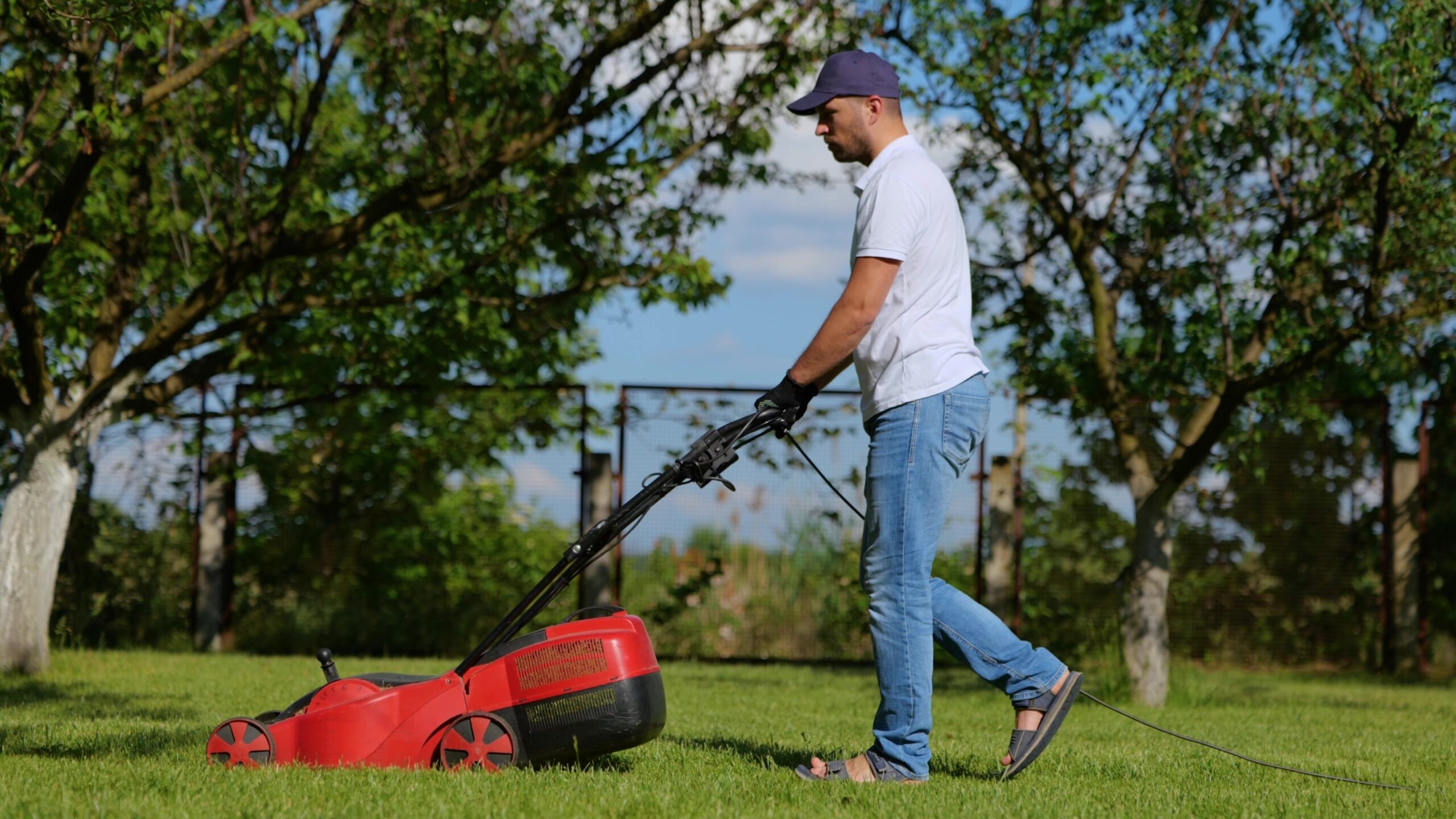
Lawn stripes are created by bending grass blades, not by changing their colour. When grass is pressed in one direction, it reflects light differently than grass bent the opposite way. Blades leaning towards you appear darker, while those bent away reflect more light and look lighter.
Changing the direction of each pass creates contrast between light and dark stripes. The effect is purely visual, which is why healthy, flexible grass produces the clearest results. With consistent mowing patterns, this contrast becomes more defined, giving the lawn its striped appearance.
Why Roller Mowers Create Better Lawn Stripes
Roller mowers create clearer stripes because the rear roller consistently bends the grass in the direction of travel. As the mower moves forward, the grass is cut and then pressed down evenly, producing a uniform stripe with each pass.
Wheel-only mowers tend to flatten grass unevenly, as pressure is applied in narrower lines and varies with ground conditions. A rear roller also adds stability, helping the mower track straight and maintain neater lines.
The Benefits of a Striped Lawn (Beyond Appearance)
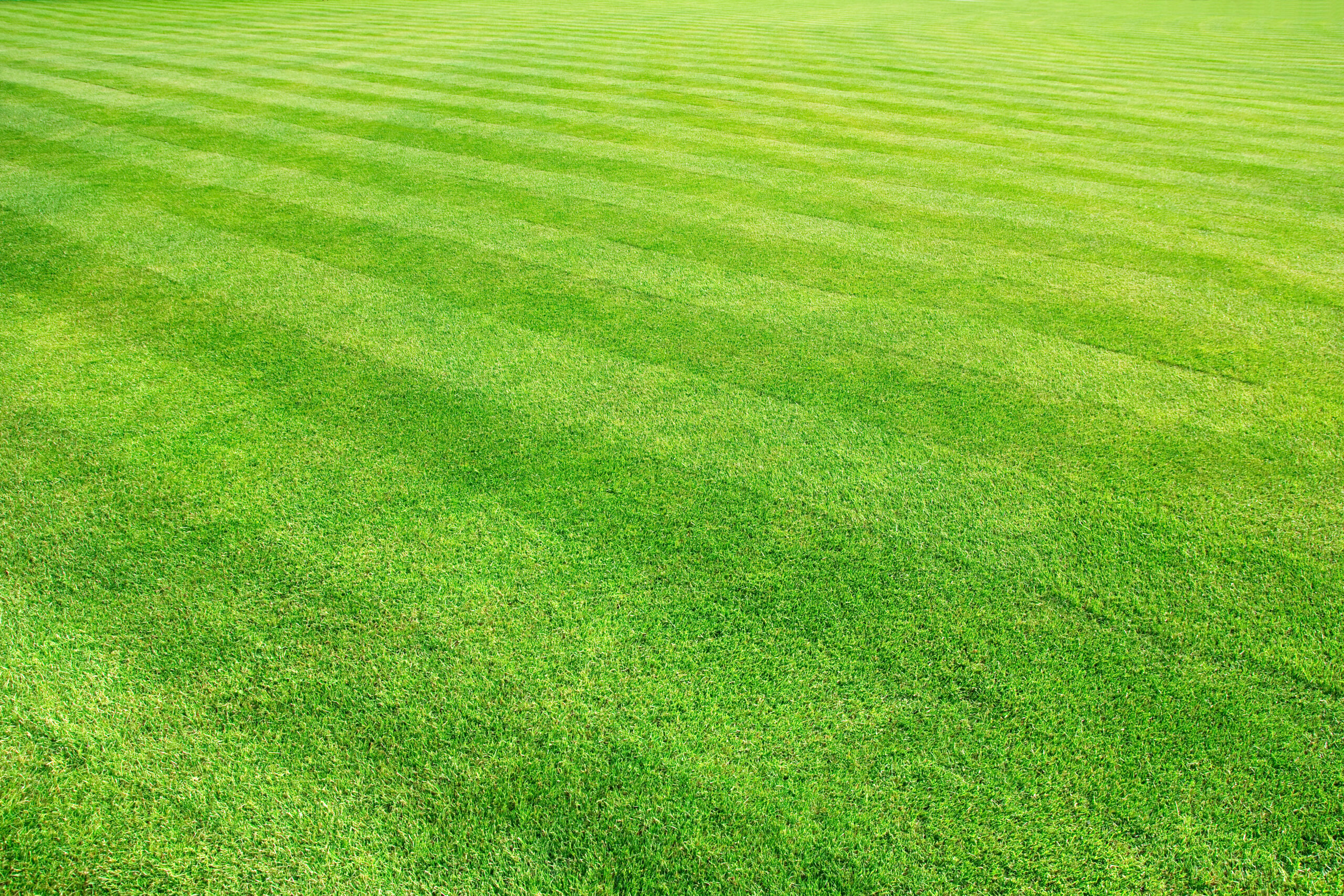
A striped lawn adds structure and definition, giving outdoor spaces a more deliberate, well-kept look. The pattern also creates the impression of healthier, denser grass, even when growth is consistent rather than exceptional. For many gardeners, striping encourages more regular mowing and better overall care, helping lawns stay tidy and evenly maintained throughout the growing season.
Choosing the Right Equipment for Lawn Striping
|
Preparing Your Lawn Before You Stripe
|
How to Mow Lawn Stripes Like a Professional

Start by planning your first stripe carefully, as it sets the alignment for the rest of the lawn. Choose a straight reference point such as a fence, path, or edge, and follow it closely to establish a clean opening line.
As you mow, focus on keeping a steady pace and looking ahead rather than down at the mower. This helps maintain straight lines and avoids subtle drifting. When starting the next pass, allow the roller to overlap the edge of the previous stripe slightly. This prevents uncut grass and keeps the pattern consistent.
At the end of each run, lift the mower gently before turning. Dragging the mower around can blur the stripe and disturb the grass you have just laid. Once lined up for the next pass, lower the mower and continue in the opposite direction.
To keep stripes looking sharp over time, alternate the direction of your pattern on each mow. This reduces wear, helps grass recover evenly, and keeps the striped effect looking crisp rather than flattened into the same lines week after week.
Common Lawn Striping Mistakes to Avoid
Taking a steady approach and lifting the mower when turning helps keep stripes clean and consistent – but these four common pitfalls can hold you back:
- Mowing wet grass is one of the quickest ways to ruin stripes, as blades bend unevenly and clump together.
- Cutting too short weakens grass and reduces contrast, making stripes less defined.
- Inconsistent speed can cause wavering lines, while poor turning technique blurs the pattern.
- Taking a steady approach and lifting the mower when turning helps keep stripes clean and consistent.
Keeping Your Lawn Looking Striped for Longer
The following three-part approach keeps the lawn looking defined while supporting long-term health beneath the surface.
- Regular mowing helps reinforce stripes and prevents grass from becoming flattened or uneven.
- Keeping mower blades sharp ensures clean cuts, which supports quicker recovery and clearer contrast.
- Over time, vary the direction of your stripes to reduce wear and encourage even growth.
Find the Right Roller Mower for Your Lawn
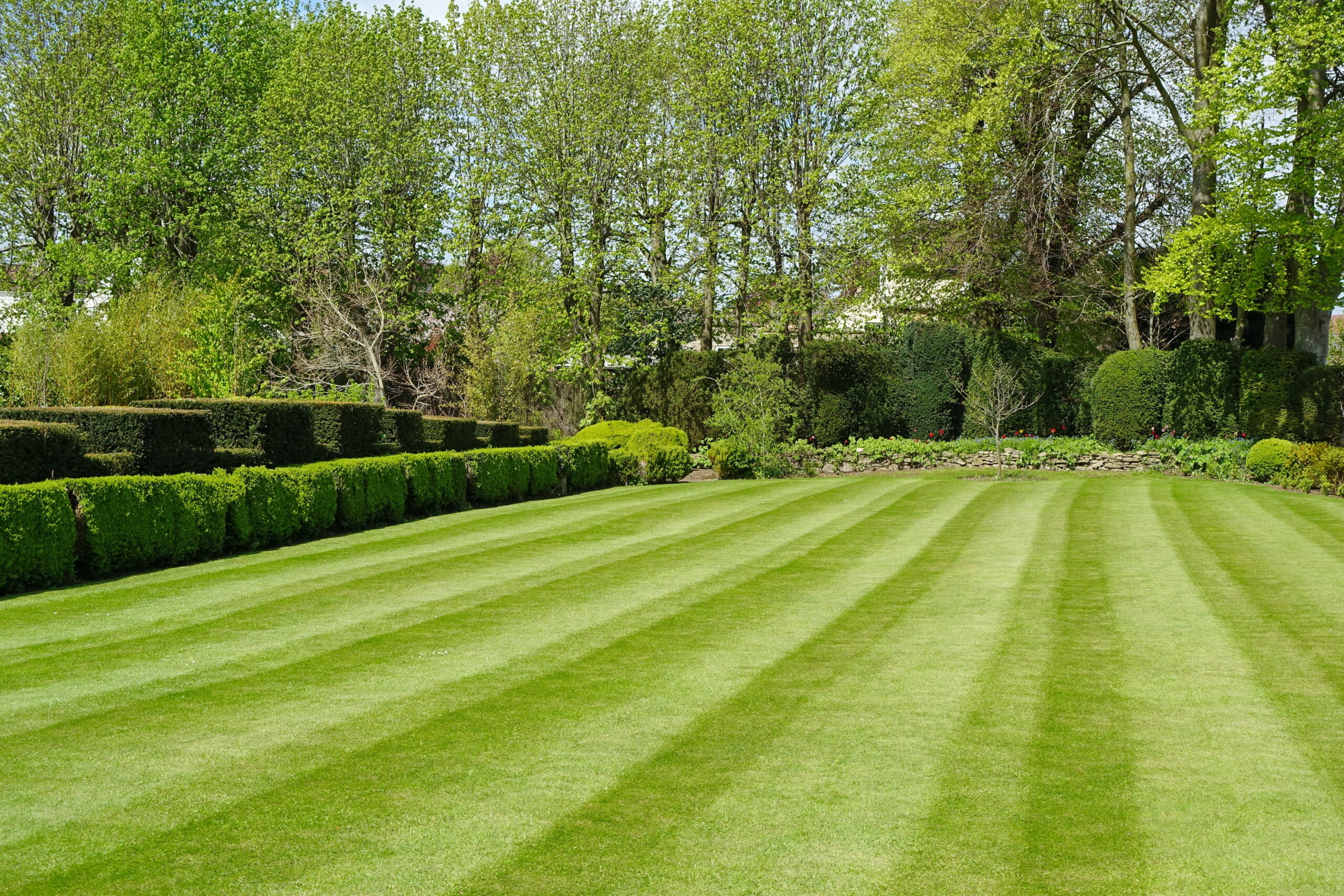
Explore our range of roller mowers designed to deliver clean stripes and consistent results. We offer UK-wide delivery, full assembly, and a clear demonstration on arrival, alongside impartial advice to help you choose the right mower for your lawn and how you use it.
Frequently Asked Questions About Lawn Striping
Will striping damage my lawn?
When done correctly, striping does not damage your lawn. The effect comes from gently bending grass blades, not harming them. Problems only arise when grass is cut too short or blades are blunt, which can tear rather than cleanly cut. Maintaining the correct cutting height and keeping blades sharp ensures striping remains purely cosmetic and safe for long-term lawn health.
How long do lawn stripes last?
Lawn stripes usually last until the grass grows back upright, which can be anywhere from a few days to a week depending on growth rate, weather, and mowing frequency. Regular mowing helps maintain the effect.
Can any lawn be striped?
Most lawns can be striped, but results are best on healthy grass that is flexible and evenly cut. Thicker grass varieties tend to hold stripes more clearly than sparse or stressed lawns.
Do stripes work on uneven lawns?
Stripes are still possible on uneven lawns, but results may be less defined. A stable mower with good ground contact helps maintain cleaner lines across gentle slopes or minor undulations.


