


Our Guide for How to Remove Hedges

There are a number of reasons one might need to remove hedges on their property, and it’s important to know how to do so safely and legally. In this article, we’ll detail the best ways to remove hedges from your garden and the most important considerations you should take into account before starting work.
Does My Hedge Need to Be Removed?

A homeowners may task themselves with hedge removal for a variety of reasons. Sometimes a hedgerow is plagued by a disease that is, for whatever reason, unresolvable. Other times, the hedge in question is simply in the wrong place, or obstructing neighbouring growth, so needs to be removed and replanted elsewhere.
No matter the reason for your hedge removal, make sure that you do so safely and, if possible, with the guidance of a professional.
Essential Tools and Safety Equipment for Hedge Removal

The tools you require for your removal will depend on the hedge itself. How large or small it is, how thick the main trunk is and how old the hedge is as some older hedges will be so well-rooted that they call for heavy-duty action.
- Large Spade: Invariably, you will require some kind of spade for digging up the roots once the main trunk is cut away and removed.
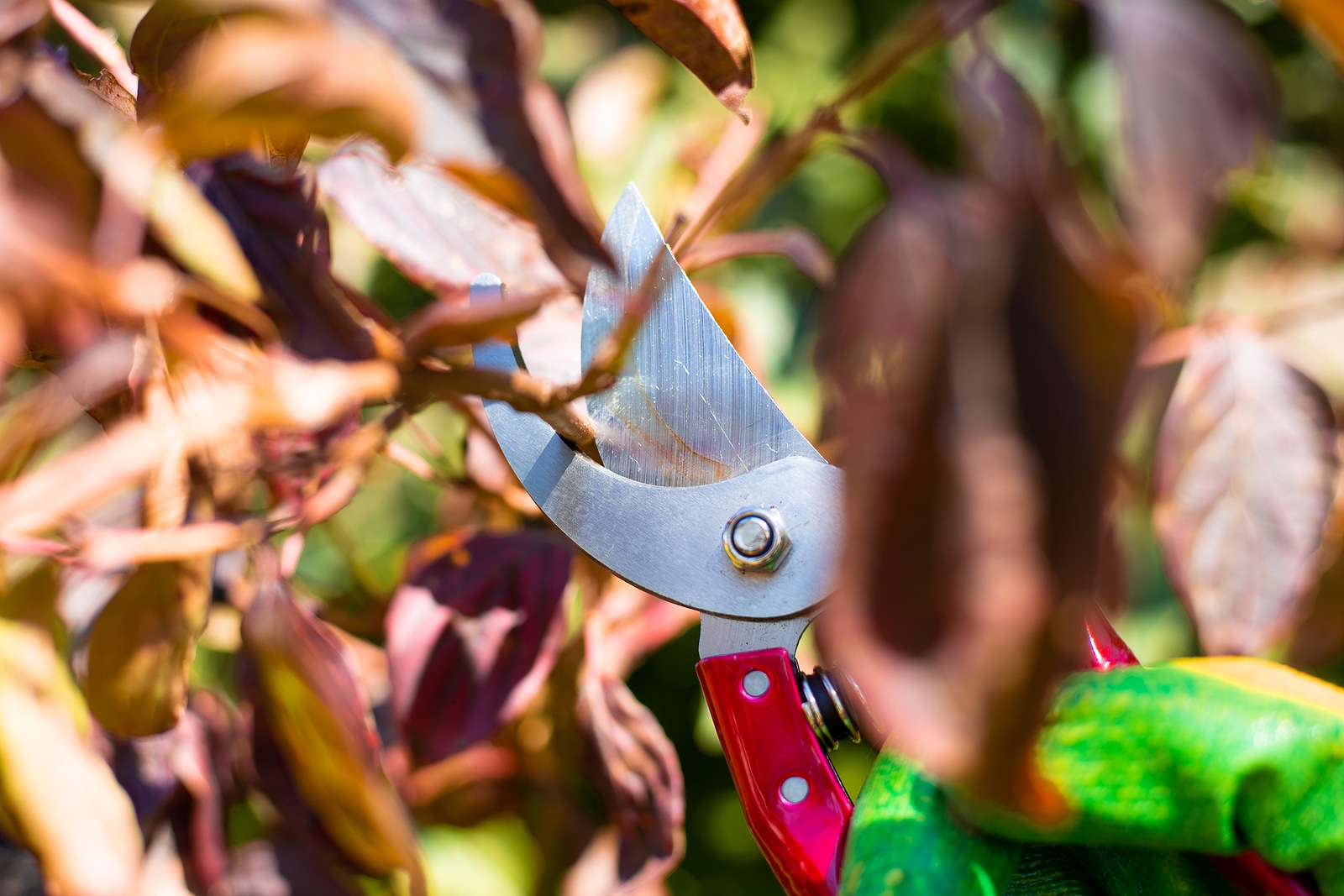
- Pruning Saw: For small to medium-sized hedges, a simple pruning saw will work well enough to cut away protruding branches or even trunks. Their serrated edges are designed to cut cleanly, reducing the risk of damage or decay.
- Chainsaw: For larger hedges, the trunk will be too thick for a simple pruning saw to cut through. In this case, a chainsaw may be required. Our range includes corded and cordless models, depending on what you would prefer.
Is It Illegal to Remove Hedges?
Whether a hedge is rotten beyond repair, obstructing yours or someone else’s garden, or causing damage to your patio or home in some way, you will want to remove it. But before you go ahead with the removal, you must first consider whether your hedge is covered by any hedge removal laws.
In the UK, some hedges are protected by law from removal without proper permission. Common laws that prevent homeowners from DIY removal include:
- Boundary Hedge Removal Law
- The Hedgerow Regulations 1997
- The Wildlife and Countryside Act of 1981
Most of these laws cover hedgerows found in the British countryside, and removing these boundary hedges is deemed a criminal offence. So be sure to check if the hedges you wish you remove are protected by these laws.
If you are a homeowner seeking hedge removal, you could still be facing legal action if you are not careful. Garden Hedge Removal Law states that hedges forming boundaries between neighbouring properties will need written consent from those sharing the hedge before it can be cut down.
Note: If your hedge is home to nesting birds and those protected by a preservation order it cannot be removed, as this is illegal.
Popular Hedges in the UK
With so many species of hedges available to us, British gardens are filled with a diverse range of possibilities. Below we have compiled a list of those that are most commonly found, but your garden may be home to others.
- Beech Hedges: A popular type of hedge in the UK for its hardy leaves which do not fall until new growth comes through in the spring, sporting a beautiful autumnal brown for the autumn and winter months. Beech hedging is also well-loved for its affinity with local wildlife.
- Box Hedges: A vibrant evergreen hedge most often used to hem pathways and define garden bordering. It is neat and tidy, making it a go-to choice for landscapers, while also being incredibly resilient, able to live through droughts and thrive in poorer soil.
- Laurel Hedges: A stunning broad-leafed evergreen with tightly packed and rich foliage. This density makes laurel hedging a perfect choice for homeowners looking to reclaim some privacy and reduce noise from neighbouring gardens.
- Leylandii Hedges: A timeless species of conifer which retains its green throughout the year and grows incredibly fast. The fragrant foliage is an attractive feature which also provides adequate privacy and noise reduction.
- Privet Hedges: A stunning and semi-evergreen hedge that grows in abundance across the English countryside. Its striking white flowers bloom in the summertime, making laurel hedging a staple for flower-filled gardens.
- Yew Hedges: A native conifer with gorgeous evergreen foliage. Another solid choice for unhindered privacy and even coverage all year round. Yew hedging is also very popular amongst local wildlife as a place of refuge, especially for insects and birds.
How to Remove Hedges Yourself in 3 Simple Steps
Following this step-by-step guide, you should have no problem removing most hedges yourself. Remember to wear protective eyewear and gloves, and practice proper safety when handling tools. If need be, do not hesitate to contact an experienced hedge removal specialist.

- Cut away any excess branches
With a pruning saw (if necessary, a chainsaw), cut away all protruding branches. If the hedge is old, some sections may be interlocked, so be mindful when cutting. Once you have finished sawing away the branches, all that should remain are several short stumps.
- Dig up the remaining stumps
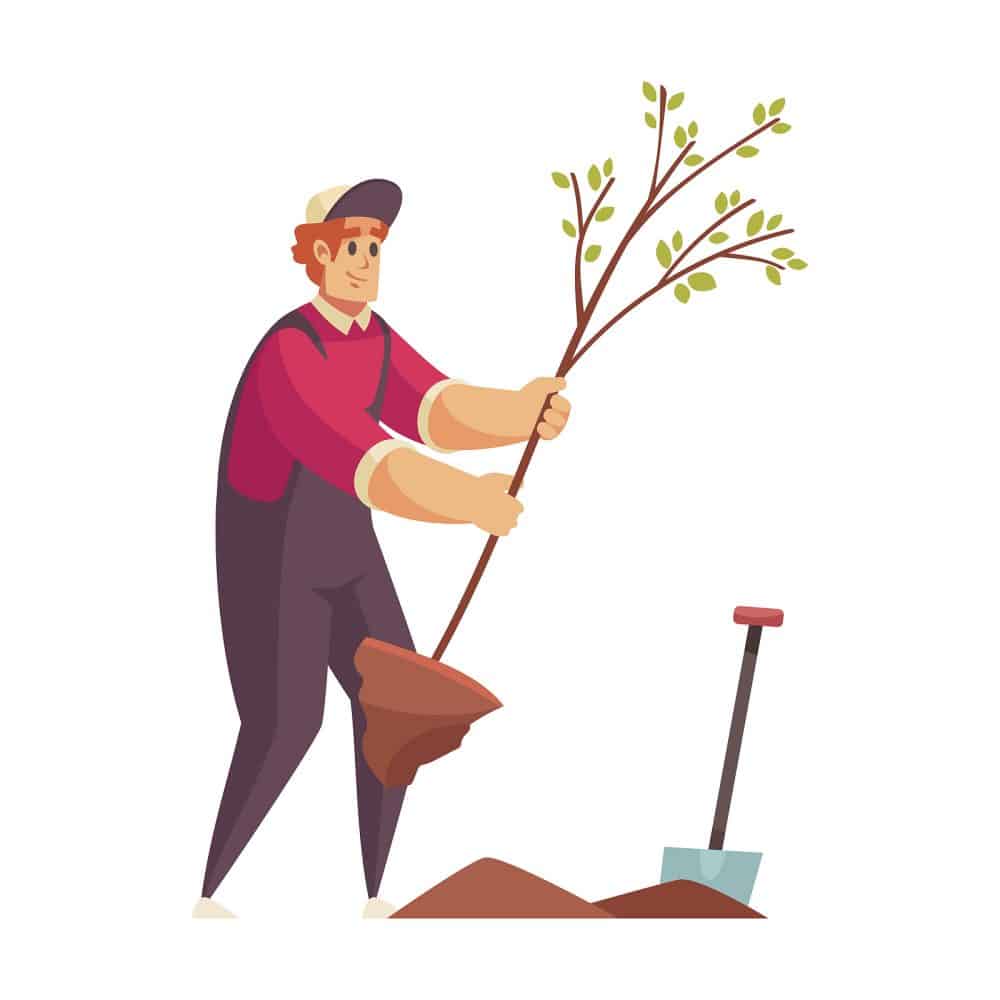
In order to remove the leftover stumps, you will need to use your spade to dig at the ground around them and loosen the soil. This can be surprisingly strenuous, as the stump roots can dig deep and grow to be quite large.

- Remove the roots
The best way to remove the roots is to hack at the dirt around them as much as you can, which should loosen the grip of the soil enough to free them. Once they are loose, use your spade to dig the rest up. You can use your hand to pull them free and dispose of them appropriately.


