


Hedges offer more than just a pleasing aesthetic. They can be used to section out property boundaries, hem footpaths, bolster privacy, and guide the eye to a specific focal point in your garden’s landscaping design. In addition, hedges can create a safe habitat for birds and other beneficial wildlife to live.
Which Hedge is Best For Your Garden?

Aside from making sure you have adequate space reserved and good quality soil prepared, the very first thing you will need to do is select a species of the hedge. Do you want a deciduous or evergreen variant? Flowers or just greenery?
Below we have listed a few popular choices for British gardens and what we would recommend.
- Hawthorn (Crataegus Monogyna): A fast-growing hedge that is very easy to maintain. Hawthorn is well-loved by most wildlife, including bees and butterflies. Most birds also enjoy eating the red berries (or ‘haws’) that the hedge produces in the autumn months.
- Wild Privet (Ligustrum Vulgare): A semi-evergreen staple of the UK countryside, with beautiful white flowers that bloom in the summertime. Most parts, including the winter berries, are poisonous, so be wary of local wildlife and surrounding children and pets who may be tempted to play with or eat them.
- Common Holly (Ilex Aquifolium): A popular choice for those looking for an evergreen hedge that also helps to enhance security around your outdoor space, with its famously spiked leaves. These leaves also provide safe shelter for various species of birds. The leaves are also a good source of food for most butterflies and caterpillars.
- Blackthorn (Prunus Spinosa): A dense and thorny deciduous hedge, ideal for protecting your garden as well as enhancing its natural beauty. The thick foliage blooms with gorgeous white flowers in the spring and produces sloes, which are a source of food for birds and can be harvested in November to create sloe gin.
- Field Maple (Acer Campestre): A beautiful deciduous hedge with autumnal red-tinged leaves in the spring and summertime, and stunning golden shades in the autumn. Its flowers are a good source of pollen for bees, and its winged fruits, when fallen, are eaten by small mammals. The hedge is easy to maintain and combines well with other species.
There are countless species of hedge that you can plant in your garden, each with its own pros and cons, both visually and functionally. Other popular varieties include fuchsia, beech, cherry laurel, and red cedar.
Planting Your Chosen Hedge
The easiest way to grow a hedge quickly is to start with a sapling and to monitor its growth over several weeks. The process of growing and maintaining a new hedge is much like that of new shrubs and trees. By carefully preparing the soil before planting, you can ensure a long and healthy life for your new hedge, whether seed or sapling.
The first step is to plot where you want your hedges to go ahead of time. Do you want them in straight lines or curved around a particular focal point? Be mindful of underground utilities when planting, and try to use a measuring tape to space out each sapling properly.
Once you have plotted your arrangement, space out your pots with the mature width of the hedge in mind, leaving plenty of space for healthy growth and allowing for each sapling to breathe.
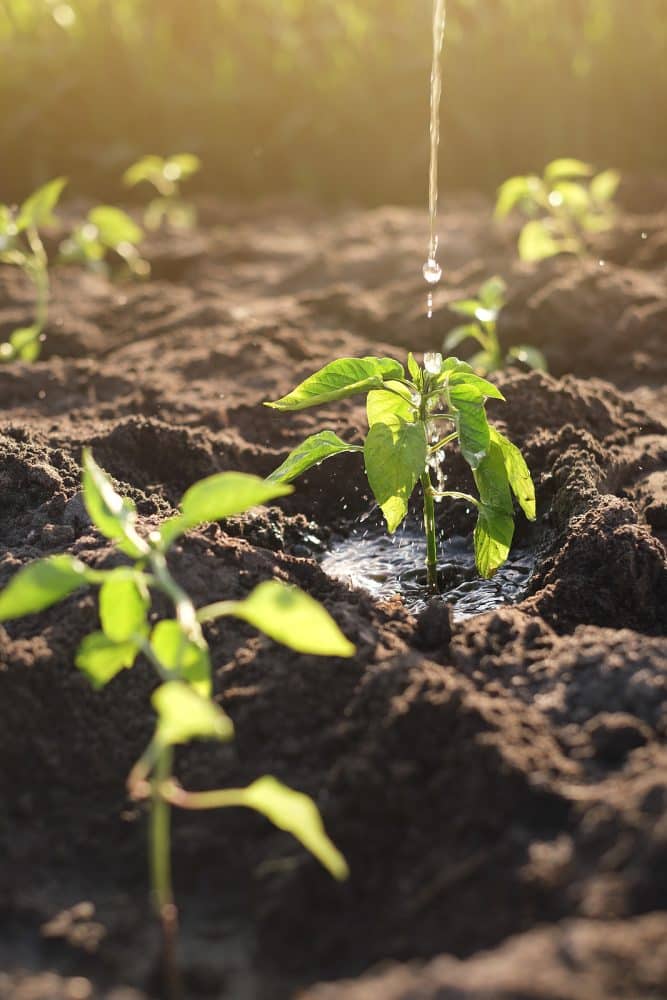
The final step is to dig your shrub holes and, after removing all plastic pots, plant your new hedge saplings in their staked spots. Then water well and, to retain as much water as possible, add mulch over your topsoil.
Maintaining Your Hedge While It Grows

The first few weeks and early months of growth are vital to ensure your new hedge gets the best start possible. Be sure to water regularly, especially over dry periods. Watering must continue for the hedge’s first two years of growth.
General-purpose fertilizers can be used yearly, simply sprinkled on the topsoil to promote healthy growth. Also be watchful of weeds that could hinder the growth of your hedge, removing them as and when they are spotted.
Depending on their species, your new hedges will reach their full potential between three and seven years. For faster growth, you can purchase hedges that are already semi-mature, though these can be much more expensive.
Tools for Long-Term Care
As your hedge reaches maturity, its foliage will need to be trimmed in order to promote new growth and keep up the overall appearance of the feature. We offer a wide range of hedge trimmers to help you maintain the ideal shape and look of your hedges, with both corded and cordless options to suit your preference.


