



Are You Using Your Hedge Trimmer Correctly? Here’s How to Know

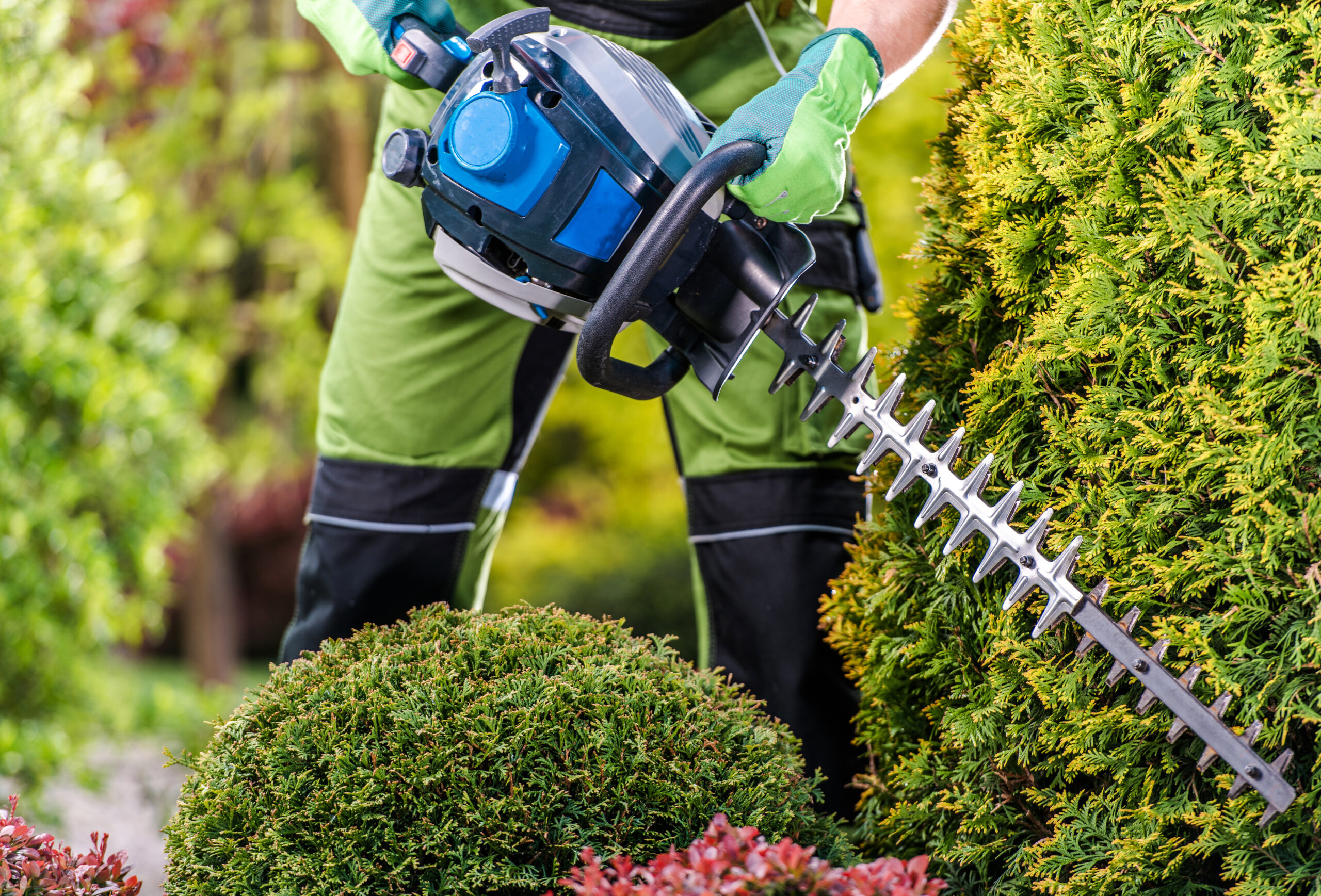
Hedge trimmers are a go-to tool for shaping and maintaining neat, tidy outdoor spaces – used by everyone from weekend gardeners to seasoned landscapers. But while they’re powerful and efficient, they’re also easy to misuse. This guide highlights the most common pitfalls to avoid, helping you get the job done safely and professionally every time.
7 Hedge Trimmer Mistakes to Avoid (and How to Use Yours Safely)
Mistake #1: Using the Wrong Type of Trimmer

Not all hedge trimmers are created equal:
- Petrol models offer power for tougher jobs, but they’re heavier and louder.
- Corded electric trimmers are lighter and ideal for smaller gardens – provided you’ve got easy access to a plug socket.
- Cordless options give more freedom, but run time can be a limitation.
- Long-reach trimmers are best for tall or wide hedges, reducing the need for ladders.
Using the wrong type of trimmer for your hedge size, access, or experience level leads to inefficient work, poor results, and unnecessary fatigue.
If you’re unsure what suits your garden best, we can offer clear, impartial advice, online or in-store, so you get the right tool from the start.
Mistake #2: Skipping Safety Gear

It’s easy to think you don’t need full protection when you’re ‘just trimming a few branches’, but hedge trimmers are fast-moving, sharp tools that can kick back debris in an instant. Without gloves, eye protection, ear defenders and sturdy footwear, you’re risking avoidable cuts, eye injuries, or worse.
Wearing the right PPE protects you and helps you work more confidently and comfortably. If you’re in need, we stock a full range of safety gear – from protective gloves and face shields to reinforced boots and helmets.
Whether you’re a first-time user or a seasoned pro, we’re here to help you stay safe while keeping your garden in shape.
Mistake #3: Trimming at the Wrong Time of Year

To keep your hedges healthy, and stay on the right side of the law, it’s best to trim in late winter or early autumn, depending on the species. Trimming during the bird nesting season (typically March to August) is incredibly disruptive and could be illegal under the Wildlife and Countryside Act 1981, and cutting back hedges in extreme heat or drought can also stress plants, leaving them vulnerable to disease and dieback.
If you’re ever unsure when to cut, give our team a quick call and we can try to offer seasonal advice to help you make the right call for your garden, and the local wildlife.
Mistake #4: Cutting Too Much at Once

Over-trimming is a common error that can do more harm than good. Stripping back too much foliage at once weakens the plant, exposes it to disease, and often leaves unsightly bare patches that take months to recover. It’s especially risky with older or slower-growing hedges.
A good rule of thumb: never remove more than a third of the growth in one go.
Aim to shape gradually and step back regularly to check your progress. It’s far easier to take a little more off than to undo a harsh cut.
Mistake #5: Using Dull or Damaged Blades

Blunt or damaged blades tear through branches rather than slicing cleanly. This causes ragged cuts that stress the plant, invite disease, and spoil the overall finish. A struggling blade can also catch or snag, increasing the risk of kickback or accidental slips – especially when you’re reaching or working at awkward angles.
Keeping your hedge trimmer in top condition is a matter of safety. To help, we offer professional blade sharpening and full servicing, including local collection and delivery if you can’t get to us. Book in regularly to keep your machine cutting clean, safe, and efficiently all year round.
Mistake #6: Poor Maintenance and Storage

Neglecting basic upkeep is one of the fastest ways to ruin a good hedge trimmer. Failing to clean blades after use, leaving stale petrol in the tank, or storing the tool in damp sheds can all lead to corrosion, blockages and electrical faults.
This shortens the lifespan of your machine and can also void your warranty.
Proper maintenance keeps your trimmer running smoothly and safely. That’s why we offer annual servicing, genuine spare parts, and pre-winter check-ups to help you avoid costly repairs down the line. Let us know if you need help.
Mistake #7: Not Getting a Demo or Training

One of the most overlooked mistakes is diving in without learning how to use the trimmer properly. Skipping the basics can lead to poor technique, faster wear, and even injury.
Whether it’s understanding the controls or knowing how to position the blade, a little guidance goes a long way.
To remedy this, every machine we deliver comes fully assembled, tested, and demonstrated by our team. We’ll walk you through safe operation and essential maintenance, so you can get the best results from day one – confidently and safely.
Hedge Trimming the Right Way
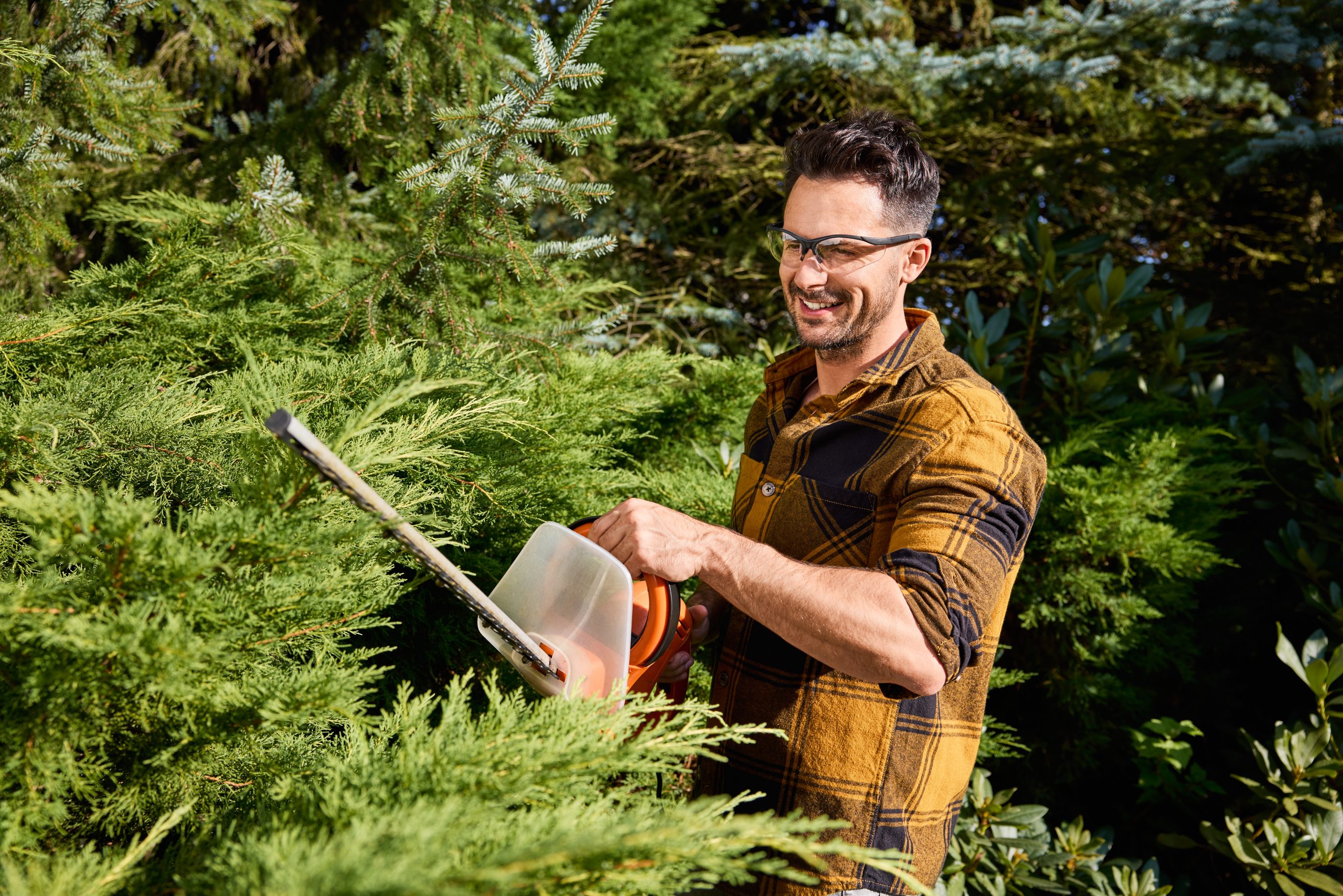
Avoiding these common mistakes means cleaner cuts, healthier hedges, and a safer, more efficient gardening experience. It also helps extend the life of your equipment – saving you time and money in the long run.
Whether you’re a first-time user or a seasoned gardener, the right knowledge and tools make all the difference.


