



5 Common Lawn Care Myths Busted


Some of the most popular lawn care tips might be doing more harm than good. From mowing techniques to watering habits, myths about lawn care are everywhere, and they could be sabotaging your efforts to achieve a lush, healthy lawn.
In this quick guide, we’re setting the record straight with expert advice, helping you avoid common pitfalls and ensure your lawn thrives year-round.
Myth 1: ‘You Should Mow Your Lawn as Short as Possible’

Many believe that cutting grass as short as possible reduces mowing frequency and keeps the lawn tidy. While it sounds practical, this approach can end up doing the opposite.
Cutting grass too short weakens its roots, making it more susceptible to weeds, pests, and diseases. It also reduces the lawn’s ability to photosynthesise, leaving it stressed and less resilient during dry spells.
Our Expert Advice
Aim for an optimal cutting height of 2.5–4 cm, depending on your grass type. A higher cut encourages stronger roots and helps shade out weeds, keeping your lawn healthier and greener.
Remember the ‘one-third rule’ – never cut more than a third of the grass blade length in a single mow.
Myth 2: ‘Watering Every Day is Best for a Healthy Lawn’
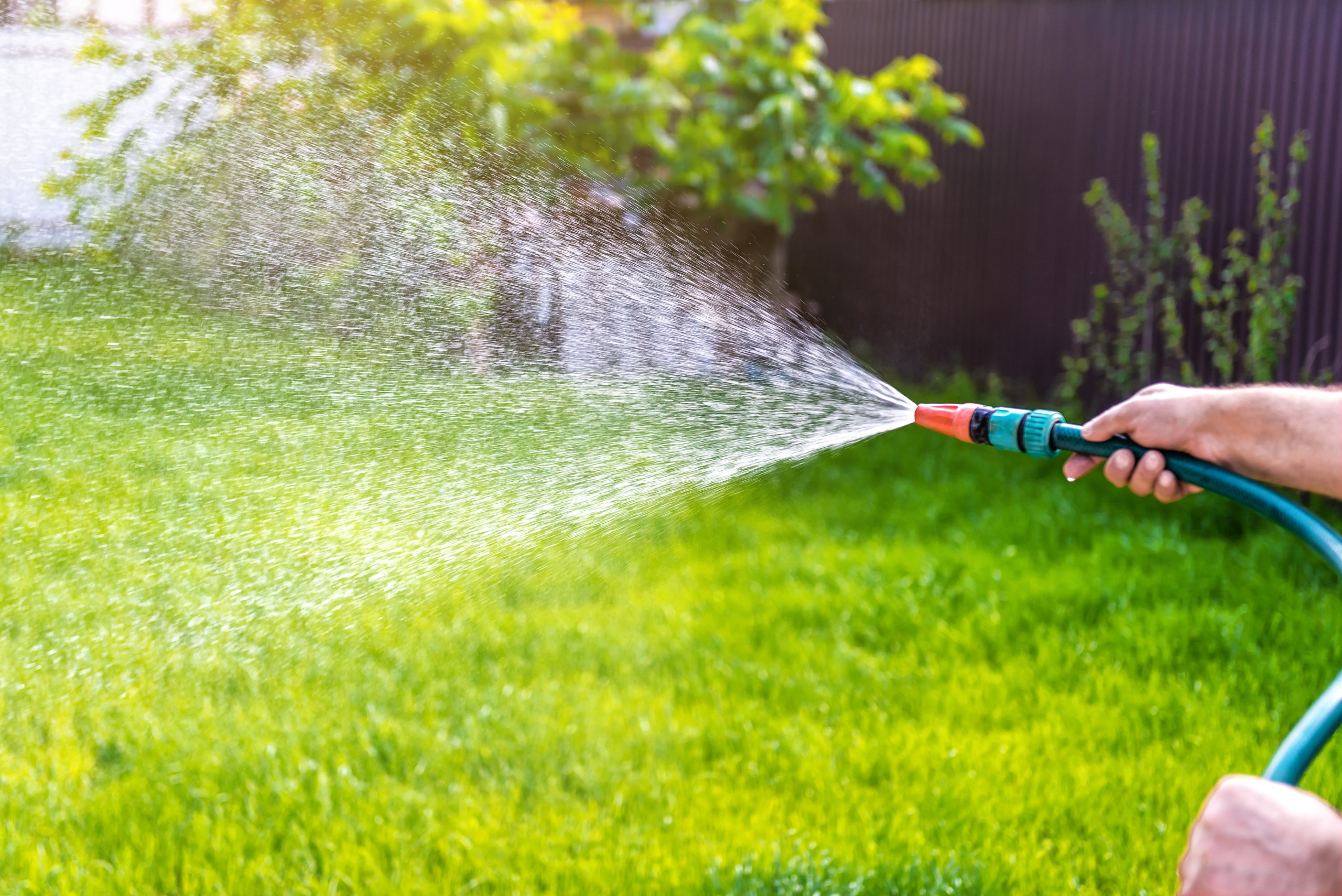
It’s a common belief that watering your lawn daily is the key to keeping it lush and green. While it may seem logical, frequent and shallow watering encourages weak, surface-level roots that are less resilient during droughts and more prone to damage. Instead of helping your lawn thrive, daily watering can make it dependent on constant moisture and less capable of sustaining itself.
Our Expert Advice
Water deeply but infrequently to promote strong, deep root growth. Aim to water your lawn once a week for 25–30 minutes, providing enough moisture to penetrate the soil. This method strengthens the grass, making it more drought-resistant and healthier overall.
Myth 3: ‘Clippings Left on the Lawn Cause Thatch’
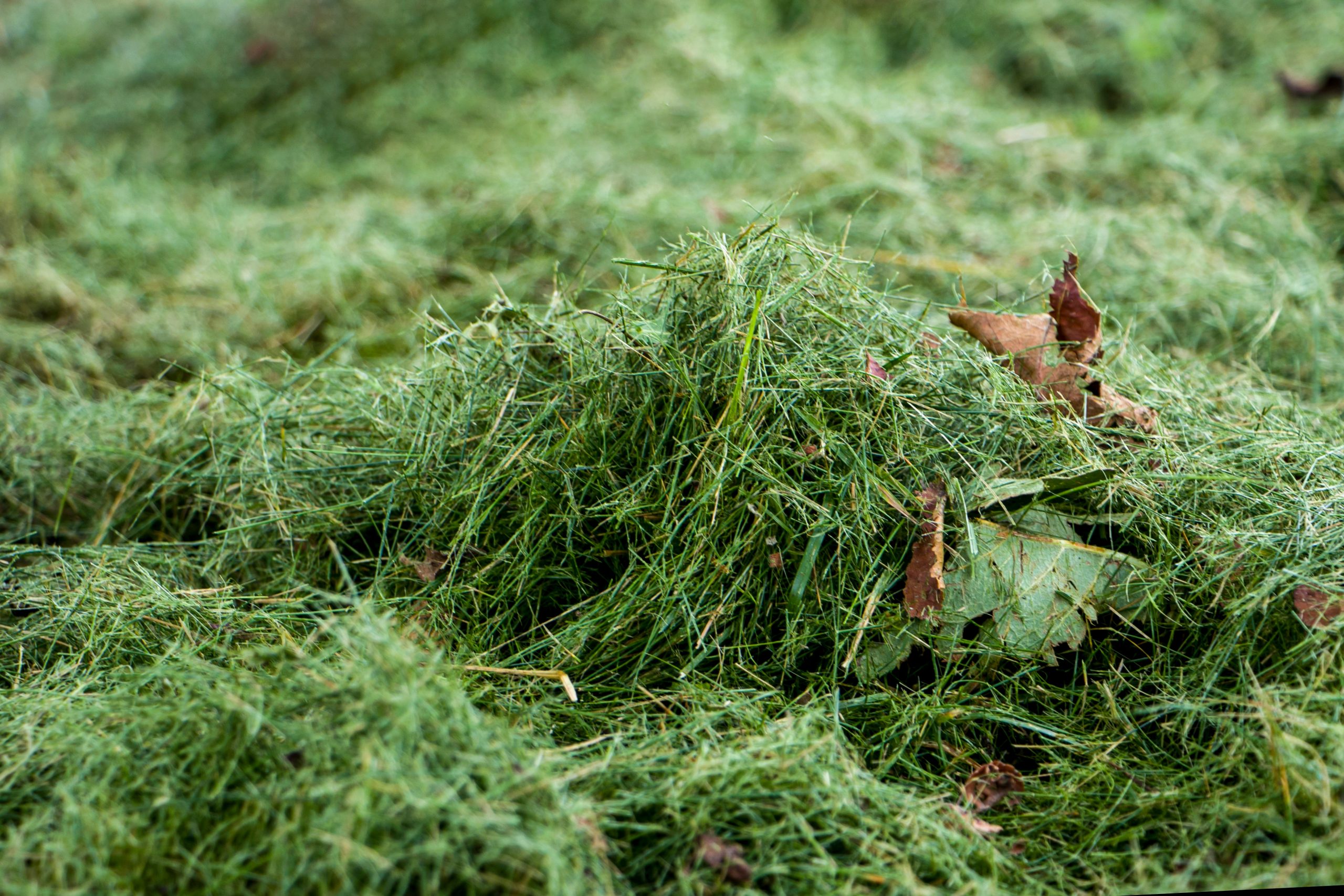
Many people worry that leaving grass clippings on the lawn after mowing will lead to a build-up of thatch – a layer of organic debris that stifles healthy growth. It’s a common misconception that can lead to unnecessary extra work.
In reality, grass clippings decompose quickly and add valuable nutrients like nitrogen back into the soil, acting as a natural fertiliser. Thatch is more likely caused by over-fertilisation and poor lawn maintenance, not clippings.
Our Expert Advice
Use a mulching mower or leave clippings on the lawn in moderation. Avoid piling them up, as this could smother the grass. Instead, spread them evenly to nourish your lawn and reduce waste. It’s an easy, eco-friendly way to keep your grass healthy and thriving.
Myth 4: ‘Weeds Will Disappear if You Mow Often Enough’

It’s tempting to think that frequent mowing will keep weeds at bay by cutting them down before they spread. While this may temporarily hide them, mowing alone won’t address the root of the problem – literally.
Most weeds, especially deep-rooted ones like dandelions or thistles, can regrow from their roots even after being cut. Mowing may reduce their spread temporarily, but it won’t eliminate them or stop them from competing with your grass for nutrients.
Our Expert Advice
Combine regular mowing with targeted weed control methods. Use a quality herbicide for stubborn, widespread weeds or remove them manually, ensuring the roots are fully extracted. Pair this with good lawn care practices, such as overseeding and fertilising, to create a dense, healthy lawn that naturally resists weeds.
Myth 5: ‘Fertiliser Can Be Applied Any Time of Year’
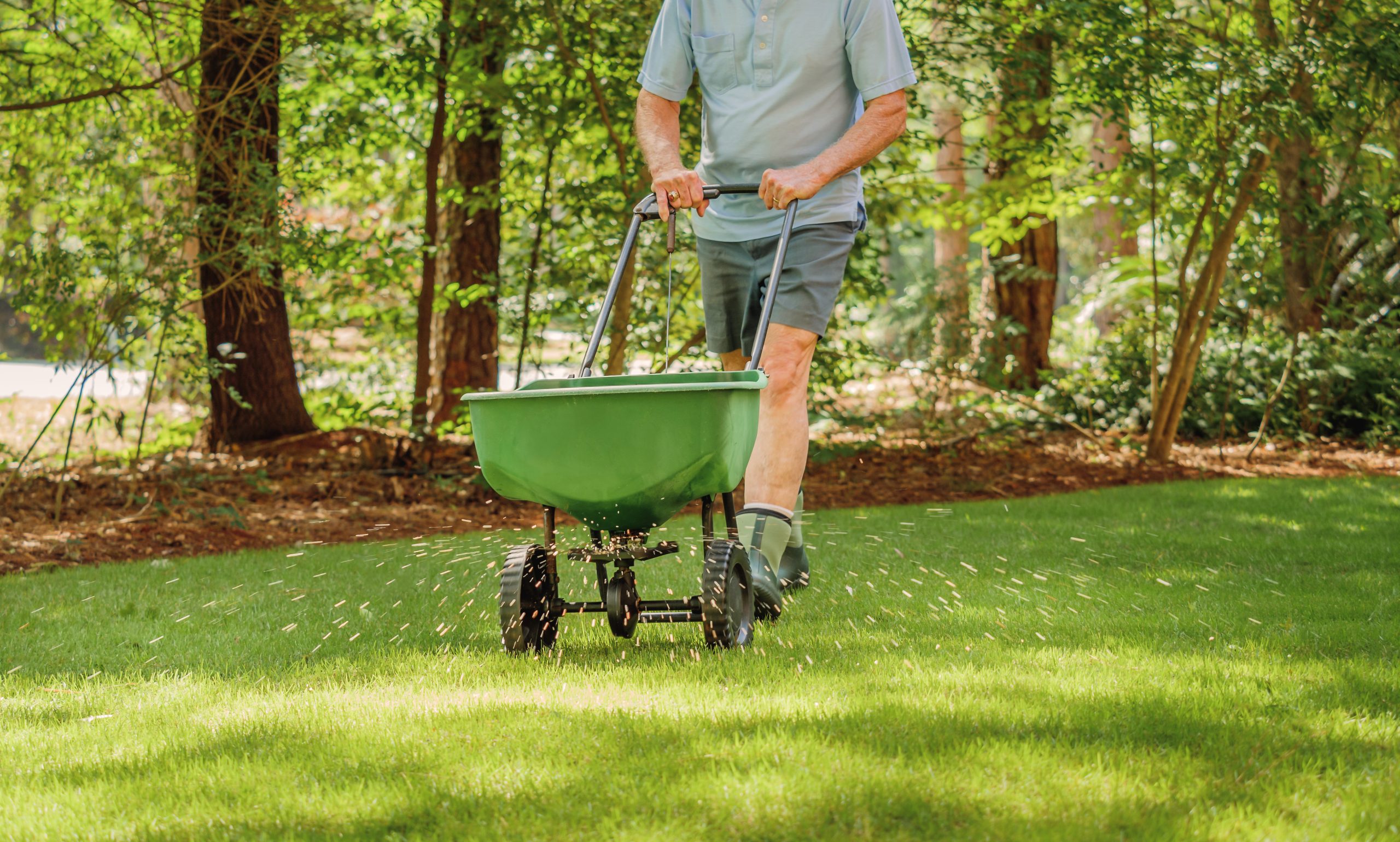
Many believe that fertiliser is a quick fix for lawn health, no matter the season. However, applying it at the wrong time can waste resources and even harm your grass.
Fertiliser works best when the lawn is actively growing, as it needs nutrients during peak growth periods. Applying it in the wrong season, such as during winter dormancy or summer heatwaves, can lead to runoff, uneven absorption, or even burnt grass from over-fertilisation.
Our Expert Advice
For optimal results, fertilise in spring to boost growth and in autumn to strengthen roots for winter. In summer, use lighter feeding only if necessary, and choose slow-release formulations to avoid stressing the grass during hot weather.
This seasonal approach ensures a healthier, more resilient lawn year-round.
Keep Your Lawn Free From Myths

Lawn care doesn’t have to be complicated, but falling for common myths can make it harder than it needs to be. From mowing heights to fertilising schedules, understanding the truth behind these misconceptions will set you on the path to a healthier, greener lawn. Stick to evidence-based practices and trust expert advice for the best results.
Ready to take your lawn to the next level? Explore our range of high-quality tools and expert services to keep your lawn thriving year-round.


